Problem-Solving Core
Proper Tree Pruning Techniques for Atlanta Hardwoods: Avoid Lion-Tailing and Weak Shoots
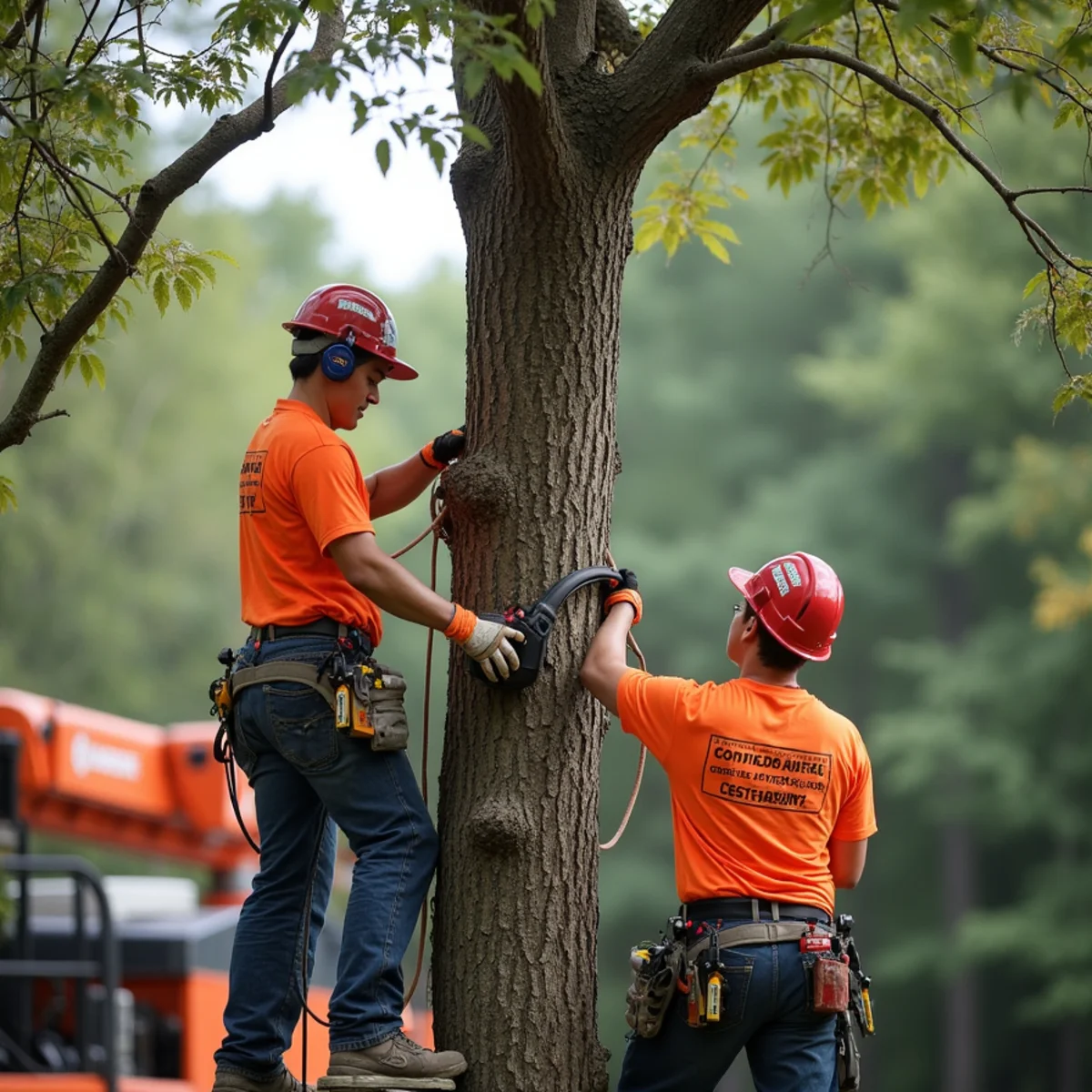
Bad pruning does lasting harm to Atlanta hardwoods. Learn the ANSI A300 techniques that build strong structure and why lion-tailing and topping should be off the table.
Pruning Is Surgery, Not a Haircut
Every cut you make on a hardwood is a wound the tree has to seal over, and how you make that cut determines whether the tree grows stronger or weaker. Atlanta's mature oaks, poplars, and maples respond well to skilled pruning and poorly to the aggressive shortcuts that budget crews sometimes take.
The goal of pruning is to improve structure, remove defects, and reduce risk while preserving the tree's health. Done right, it follows the ANSI A300 standard, the industry benchmark for tree care practices. Done wrong, it sets up the very failures you were trying to prevent.
What Lion-Tailing Is and Why It Backfires
Lion-tailing is the practice of stripping the interior branches and foliage off a limb, leaving growth only at the very end, so the branch looks like a lion's tail. Homeowners sometimes request it thinking a thinner canopy means less wind resistance and less risk. The opposite is true.
By concentrating weight and foliage at the branch tips, lion-tailing moves the load to the weakest point and removes the interior growth that helps the limb taper and stay strong. The result is longer, whippier branches that are more likely to snap in an Atlanta thunderstorm, plus a flush of weak epicormic shoots along the bare wood.
Weak Shoots and the Topping Trap
Topping, cutting large limbs back to stubs, is the other destructive shortcut. A topped tree responds to the shock by sending up dense clusters of fast-growing epicormic shoots. These weak shoots are poorly attached, grow quickly, and are far more prone to breaking than the original branches.
So topping does not make a tree safer; it makes it more hazardous within a few years, while leaving large wounds that invite decay. If a tree is genuinely too big for its space, the honest answer is a proper reduction, a different tree, or removal, not topping.
The Techniques That Actually Work
Sound pruning is about making the right cuts in the right places and removing the right amount, generally no more than about a quarter of the live canopy in a season on a mature tree.
- Structural pruning to establish a strong central leader and well-spaced scaffold limbs on younger trees.
- Crown cleaning to remove dead, diseased, broken, and crossing branches.
- Crown thinning done evenly throughout the canopy, keeping interior growth, not stripping it.
- Reduction cuts back to a lateral branch at least a third the diameter of the limb removed.
- Proper cuts just outside the branch collar so the tree can seal the wound.
Timing Pruning for Atlanta Hardwoods
For most Atlanta hardwoods, the dormant season of late winter into early spring is a favorable window. The tree is not actively growing, the structure is easy to see without leaves, and wounds close efficiently as spring growth begins. Oaks in particular benefit from dormant-season pruning to reduce disease-transmission risk during the growing season.
That said, timing depends on species, the pruning goal, and the tree's condition, so ask your arborist to explain the recommendation for your specific tree. Dead and hazardous limbs can be removed any time they pose a risk.
Pruning as Part of Ongoing Care
The best results come from pruning a tree on a cycle rather than reacting to problems. A young tree pruned for structure every few years grows into a strong mature tree that needs far less corrective work later. That is the heart of good residential tree care.
Homeowners across Decatur with mature oaks lining the streets know how much character those trees add, and thoughtful tree trimming and pruning is what keeps them safe and beautiful for the next generation.
How to Spot a Crew That Will Hurt Your Tree
You do not need to be an arborist to catch the warning signs of bad pruning before it happens, and on a mature Atlanta oak that hour of vetting can save the tree. The clearest red flag is a crew that plans to climb a tree you intend to keep using spikes or gaffs. Those spurs are for removals; on a live tree they punch dozens of wounds into the trunk that become entry points for the decay fungi that hollow out our oaks over the following years.
Listen to how a proposal is described, too. A price to top the tree, round it over, or thin it heavily by stripping the interior is a plan that will weaken the tree and trigger the weak regrowth this article warns about. A sound proposal from a real tree trimming and pruning crew names specific cuts, references the ANSI A300 standard, and rarely removes more than about a quarter of the live canopy at once.
Keep this quick reference in mind when you compare bids.
| Red flag | Why it harms the tree | What good crews do |
|---|---|---|
| Climbing spikes on a tree you're keeping | Wounds the trunk, invites decay | Ropes and saddle, no spurs |
| Quote to top or round over the crown | Triggers weak epicormic shoots | Reduction cuts back to a live lateral |
| Flush cuts against the trunk | Removes the collar that seals wounds | Cuts just outside the branch collar |
| No ANSI A300 reference, vague scope | Signals untrained work | Specifies cuts and dose in writing |
Book Pruning Done to Standard
Protect your investment by insisting on ANSI A300 pruning, never lion-tailing or topping. Call (855) 615-0568 to schedule expert tree trimming and pruning for your Atlanta hardwoods. We will assess the structure, explain each cut, and prune to build strength, not to strip the tree.
Written & reviewed by
The Your Tree Expert crew
This guide was written and reviewed by our working arborists — ISA-informed, fully licensed and insured, serving Fulton County and Metro Atlanta since 2020. We handle the removals, storm cleanups, and assessments described here every day.
Need a hand from a certified arborist?
Your Tree Expert provides fast, insured tree care across Atlanta and Metro Atlanta. Get a free written estimate or call our 24/7 line.