
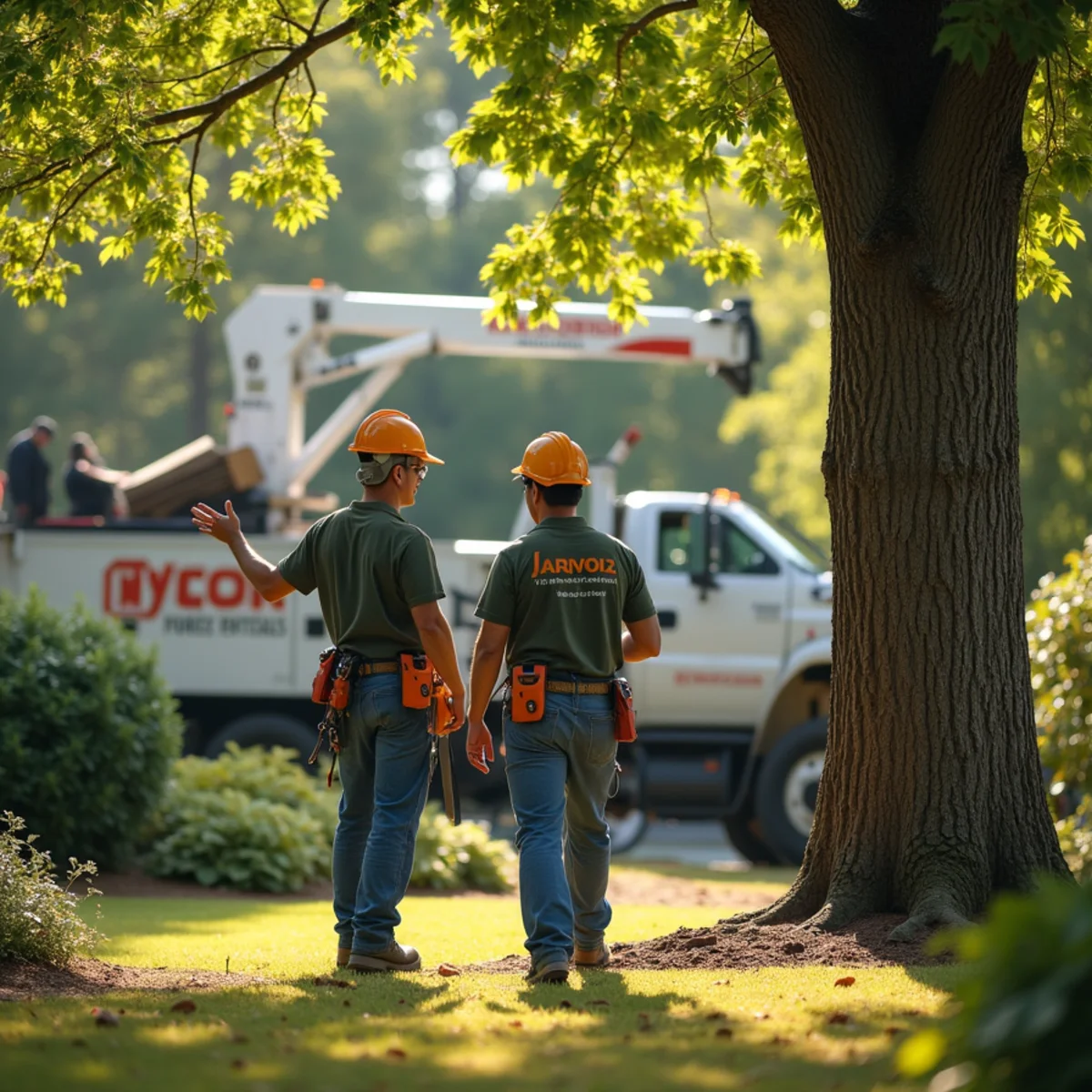
Most tree emergencies are preventable, and residential tree care is how you prevent them. A tree that fails in a storm was usually showing signs for years: a weak union, a pocket of decay, a lean that kept increasing, deadwood accumulating in the crown. Catching those early, through regular inspection and well-timed pruning, is far cheaper and less traumatic than dealing with the aftermath. Our approach treats your yard's trees as long-term assets, keeping them healthy and structurally sound so they keep adding shade, beauty, and value instead of turning into a liability.
Atlanta is a demanding place to grow a big tree. The mature water oaks and pines that define the city's canopy carry enormous weight, thunderstorms and ice test them every year, and red-clay soil that compacts hard and drains poorly puts roots under stress. Add the root damage that comes from driveways, additions, and trenching, and even a healthy-looking tree can be quietly declining. Good care means watching for that, right-timing pruning to the species and season, and improving the conditions your trees are living in rather than just cutting them back.
Residential care is really the umbrella over several of our services, applied on a schedule instead of in a panic. It leans heavily on proper trimming and pruning to build and maintain good structure, and on periodic hazard assessment to catch defects while they are still manageable. When a tree does reach the end of its life, or a stump is left behind, we handle the stump grinding so the yard is ready for whatever comes next. The point is continuity: the same crew getting to know your trees over time.
We care for residential properties across Atlanta and the surrounding tree service in Fulton County area, licensed, insured, and rated 4.9 stars across 168 reviews. Late winter and early spring are often favorable windows for dormant-season work, and planning pruning before peak storm season reduces the odds of a failure over your roof or driveway. Whether you have one signature oak or a yard full of trees, we will build a care approach that fits them, so you spend far less time worrying about what is hanging over the house.
Signs your trees need attention
- Deadwood accumulating in the crown or a dead top emerging.
- Limbs crowding the roof, driveway, or growing into each other.
- A lean that seems to be increasing, or soil lifting at the base.
- Thinning canopy, off-color leaves, or early leaf drop.
- Cracks, cavities, or fungal growth on the trunk or major limbs.
- Roots disturbed by recent construction, trenching, or hardscape.
- Trees that have never been professionally inspected or pruned.
Need residential tree care in Atlanta?
Free estimates · 24/7 emergency line · Licensed & insured
Our residential tree care process
Tree health audit
We walk your property and assess each significant tree for structure, decay, deadwood, and stress, giving you a clear picture of condition and any developing risk.
Care plan
You receive a written plan: which trees need pruning, which need monitoring, what timing suits each species, and where a treatment or removal is warranted, prioritized by risk and value.
Seasonal pruning and treatment
We perform structural and clearance pruning to ANSI A300 standards at the right time of year, and address health issues so trees recover rather than decline.
Storm-season preparation
Before peak storm periods, we thin dense crowns, remove hazardous deadwood, and flag trees to watch, reducing the chance of a failure over your home.
Ongoing monitoring
We keep records and revisit on a schedule so developing problems are caught early, and the same crew gets to know your trees over time.
What affects the price
Residential care is priced by what your specific trees need, and proactive work is almost always cheaper than emergency response.
- Number and size of the trees on your property.
- The type of work: inspection, pruning, treatment, or a mix.
- Access and how much of the canopy must be reached by climbing.
- Condition and any backlog of deferred maintenance.
- Whether care is a one-time visit or a recurring schedule.
- Optional stump grinding or removal when a tree reaches end of life.
Market context: Pruning is broadly cited around $150-$500 depending on size and access, framed as market context. Ongoing care usually costs far less than the emergency removals it prevents.
Why homeowners choose Your Tree Expert
- Proactive, arborist-guided care that prevents costly emergencies.
- ANSI A300 pruning and honest prune-versus-remove recommendations.
- The same local crew getting to know your trees over time.
- Licensed, insured, and rated 4.9 stars across 168 reviews.