Emergency Guides
How to Navigate the City of Atlanta Tree Protection Ordinance (Tree Removal Permits)
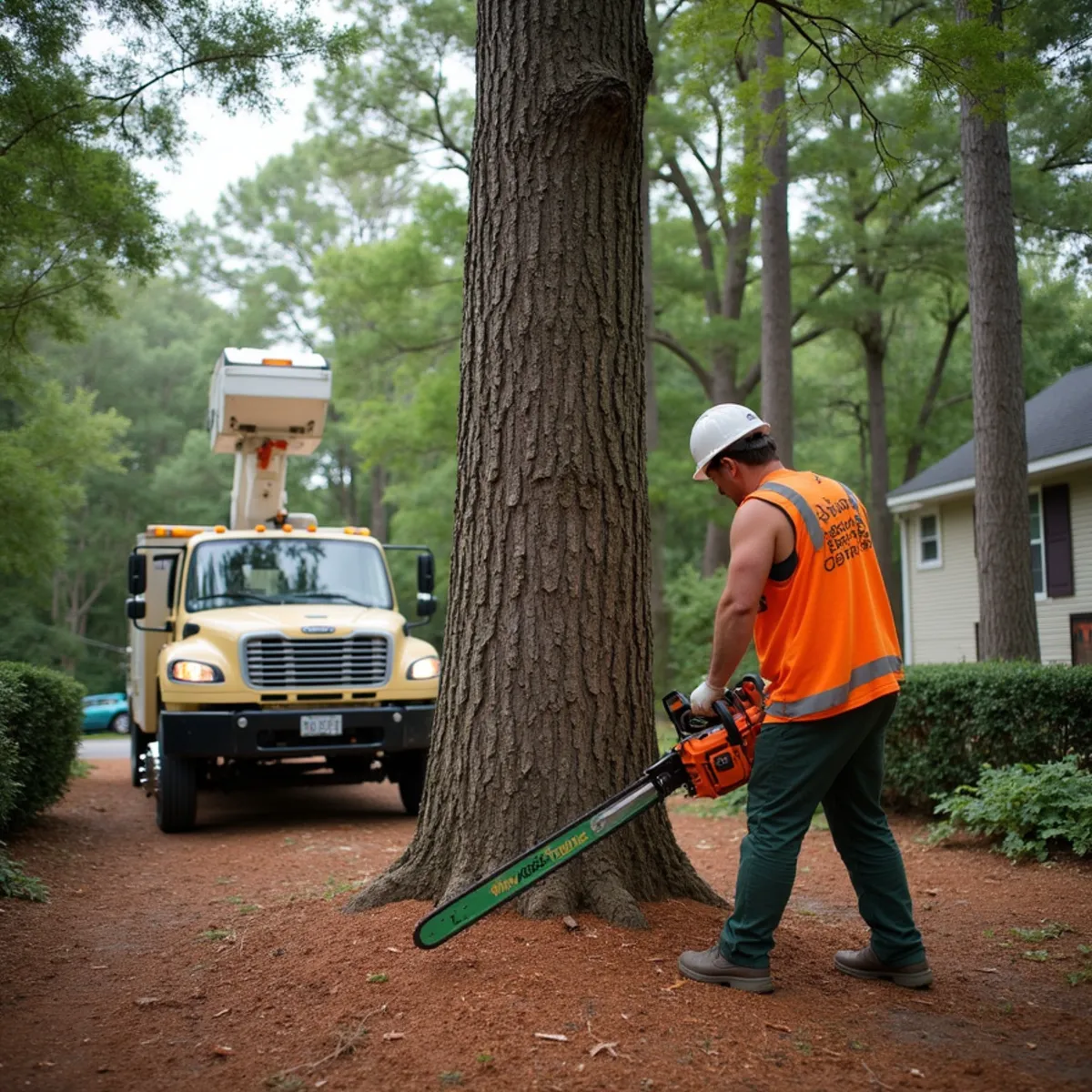
Atlanta protects its urban canopy through the Tree Protection Ordinance, and removing a regulated tree usually means a permit. Here is how the thresholds, process, and recompense work.
Why Atlanta Regulates Tree Removal at All
Atlanta bills itself as the City in a Forest, and the Tree Protection Ordinance exists to keep that canopy from being cut away one lot at a time. The rules are administered by the City of Atlanta Arborist Division, with the Atlanta Tree Conservation Commission hearing appeals. For homeowners, the practical takeaway is simple: many trees on private property are regulated, and cutting one without a permit can bring stop-work orders and penalties.
The threshold that matters is trunk size, measured as diameter at breast height, or DBH. Before you assume a tree is fair game, it helps to know where those thresholds sit and what changes the answer.
The DBH Thresholds That Trigger a Permit
Under current guidance, hardwoods are regulated at roughly 6 inches DBH and pines at roughly 12 inches DBH, though the current city code always controls and measuring conventions can change. The threshold is a decision point that tells you a permit review is likely required, not a green light to remove the tree.
Use the table below as an orientation, then verify the live rule for your specific property before you rely on it. Several conditions can override the simple size test entirely.
| Tree type | Approx. regulated size (DBH) | What it usually means |
|---|---|---|
| Hardwood (oak, maple, poplar) | ~6 inches and up | Permit review typically required |
| Pine (loblolly, longleaf, shortleaf) | ~12 inches and up | Permit review typically required |
| Dead, dying, or hazardous tree | Any size | May qualify for expedited or emergency handling with documentation |
| Right-of-way or street tree | Any size | City-controlled; different process, not a homeowner decision |
When the Simple Size Test Does Not Apply
A dead or genuinely hazardous tree may be handled differently, but the city generally still wants documentation showing the condition. A tree in the public right-of-way is not yours to remove on your own schedule. And a tree near a stream buffer or wetland can carry additional state and local requirements layered on top of the ordinance.
This is where a written hazardous tree assessment earns its keep. A documented arborist evaluation of decay, lean, or root failure gives the Arborist Division something concrete to review and protects you if a neighbor questions the removal later.
Recompense and Replacement Explained
Atlanta does not just say yes or no. When a regulated tree comes down, the ordinance addresses recompense, meaning you may owe replacement plantings or a payment into the city tree trust fund based on the size of what was removed. Larger trees generally carry larger recompense, which is one reason the removal of a single mature oak can involve more than the cutting cost alone.
Ask early who is responsible for calculating and satisfying recompense so it does not surprise you at the end of the job. It is a normal part of budgeting a regulated tree removal in the city.
The Step-by-Step Permit Process
The process is manageable once you know the sequence. Most homeowners work through it with their tree service so the paperwork and the fieldwork stay aligned.
- Confirm your jurisdiction: Atlanta city limits versus unincorporated Fulton or a neighboring municipality with its own rules.
- Identify the species and measure or estimate DBH at about 4.5 feet up the trunk.
- Determine whether the tree is regulated, dead, hazardous, in a right-of-way, or near a buffer.
- Apply through the City of Atlanta Arborist Division and post any required notice period.
- Document approval, recompense, and replacement, and keep those records with your project file.
How We Help With Atlanta Permits
We help homeowners across Atlanta and Fulton County identify whether a tree is regulated, prepare the condition documentation an application needs, and coordinate the removal once approval is in hand. What we do not do is promise an outcome or begin regulated removal on a verbal assumption, because the current city code controls and only the Arborist Division issues the permit.
If you are unsure whether your tree crosses the threshold, that uncertainty is exactly what a quick assessment resolves. It is far cheaper than an after-the-fact penalty.
Why the Review Window Catches Owners Off Guard
The part of the Atlanta permit process that surprises homeowners most is not the fee or the recompense, it is time. Removal of a healthy regulated tree is not an over-the-counter approval. The Arborist Division reviews the application, and non-emergency removals typically involve a notice posted on the property and a comment window during which neighbors can weigh in before a decision is issued.
That means a tree you decided to remove in the spring may not be legally cuttable for weeks, which matters if you are clearing a lot before a contractor mobilizes or trying to beat a closing date. Build the review window into your schedule rather than assuming a crew can start the day you call.
Genuine emergencies follow a different track. A tree that has already failed, or one a documented hazard assessment shows is an imminent danger, can generally be handled faster, but the city still expects condition documentation after the fact. The lesson holds either way: for anything short of an active emergency, photograph the tree, confirm its regulated status, and start the paperwork early. We help Atlanta homeowners assemble that file so the review clock starts as soon as possible.
Get Permit-Ready Guidance
Before you cut, call (855) 615-0568 for help reading the ordinance against your specific tree. We will assess the species and size, document condition where a risk assessment is warranted, and coordinate a compliant tree removal with the City of Atlanta Arborist Division. Verify the current rule, then remove with confidence.
Written & reviewed by
The Your Tree Expert crew
This guide was written and reviewed by our working arborists — ISA-informed, fully licensed and insured, serving Fulton County and Metro Atlanta since 2020. We handle the removals, storm cleanups, and assessments described here every day.
Need a hand from a certified arborist?
Your Tree Expert provides fast, insured tree care across Atlanta and Metro Atlanta. Get a free written estimate or call our 24/7 line.