Prevention & Maintenance
Late Summer Hurricane Remnants in Georgia: Pre-Storm Tree Inspection Checklist
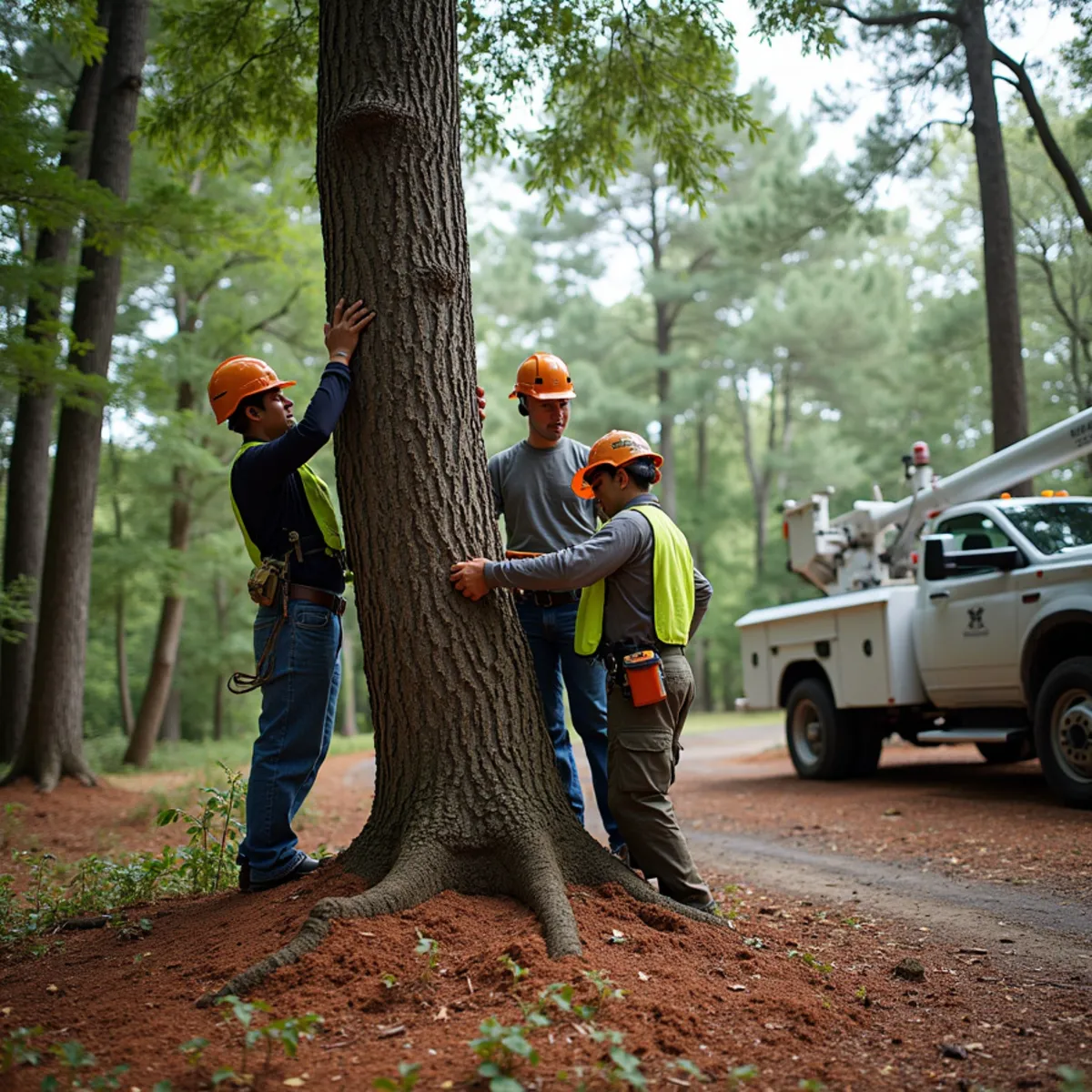
Late-summer tropical remnants soak Georgia and topple weakened trees. Use this pre-storm inspection checklist to catch hazards before the wind and rain arrive.
Why Late Summer Is High Season for Tree Failure
Atlanta is far from the coast, but the remnants of tropical systems reach North Georgia regularly in late summer and early fall, arriving as days of heavy rain and gusty wind. That combination is a tree's worst case: saturated red clay loosens its grip on the roots while wind pushes against a full summer canopy.
A tree that stood through every dry-weather storm can go over when the ground turns to soft clay. The good news is that most failures are foreseeable, and a walk around your property before the season gives you time to act.
Start From the Ground Up
Begin your inspection at the base, because root and trunk problems are what turn a storm into an emergency. You are looking for signs that the tree's anchor or main stem is compromised.
- Soil heaving, cracking, or a raised mound on one side of the trunk base.
- Mushrooms or shelf conks at the root flare or on the lower trunk.
- A lean that is new, or that shows fresh soil disturbance at the base.
- Cavities, cracks, seams, or soft, punky wood in the trunk.
- Missing or damaged bark over a large area of the stem.
Work Up Into the Canopy
Next, look up. Dead limbs and weak attachments are the pieces most likely to come down in wind, and they are often the ones threatening a roof or driveway.
Scan for dead branches with no leaves in season, hanging or broken limbs left from a previous storm, and tight V-shaped unions where two stems meet with included bark. Note any large limbs that overhang the house, the driveway, or a neighbor's property, since those are the failures that cause damage rather than just mess.
Prioritize by Target, Not Just by Tree
A hazard only matters if there is something to hit. In arborist terms, that is the target. A dead limb over the woods can wait; a dead limb over the kids' bedroom cannot. Rank your findings by what each tree threatens.
Focus your budget and your urgency on trees within striking distance of the house, the driveway, utility lines, and where people gather. That is how professionals triage, and it keeps prevention practical instead of overwhelming.
What to Fix Before the Storm
Once you know your hazards, the pre-season fixes are straightforward. Dead and hanging limbs should be removed, over-extended branches reduced, and any tree with a compromised root plate or advanced decay evaluated for removal before it fails on its own terms.
This is the core of good residential tree care: acting on a schedule you control rather than reacting at 2 a.m. in the rain. And a tree cleared preemptively is far cheaper than one removed off your roof.
When to Bring in a Professional
A homeowner walk-through catches the obvious problems, but you cannot see internal decay or judge a root plate from the surface, and you should never diagnose a big tree from a photo. When you find a warning sign, or when a large tree simply overhangs the house, a professional assessment tells you how serious it really is.
Homeowners across Atlanta use a pre-season check to sort the trees that can wait from the ones that need attention now, and to have hazards handled before the first tropical remnant arrives. If a storm does hit, our storm damage cleanup crews are ready around the clock.
A Year-Round Tree Calendar for Atlanta Yards
A single pre-storm walk is worth doing, but the homeowners who avoid emergencies treat tree care as a seasonal rhythm rather than a one-time scramble. Atlanta's calendar has natural windows, and matching the task to the season makes the work cheaper and the trees stronger. Late winter, while hardwoods are dormant and bare, is the prime time for structural pruning and for spotting defects the leaves normally hide.
Spring and early summer are for watching new growth and getting ahead of pests, then scheduling any removals before the late-summer tropical remnants soak the ground. Fall is the season to clear deadwood and weak limbs ahead of winter ice, and to confirm that anything flagged earlier actually got handled. Folding an annual hazard assessment on the biggest trees into that rhythm catches the problems a walk-through cannot.
Use the table as a simple maintenance calendar for a metro Atlanta property.
| Season | Priority task | Why then |
|---|---|---|
| Late winter | Structural pruning, defect scouting | Dormant and bare, wounds close fast |
| Spring | Pest watch, plan removals | Beat the summer storm season |
| Late summer | Pre-storm hazard walk | Tropical remnants saturate the clay |
| Fall | Clear deadwood before ice | Reduce winter ice-load failures |
Book Your Pre-Storm Assessment
Do not wait for the forecast to turn. Call (855) 615-0568 for a pre-storm tree inspection and get your Atlanta property ready before late-summer remnants arrive. We will flag the real hazards, handle them safely, and keep our storm cleanup line open if the weather does turn.
Written & reviewed by
The Your Tree Expert crew
This guide was written and reviewed by our working arborists — ISA-informed, fully licensed and insured, serving Fulton County and Metro Atlanta since 2020. We handle the removals, storm cleanups, and assessments described here every day.
Need a hand from a certified arborist?
Your Tree Expert provides fast, insured tree care across Atlanta and Metro Atlanta. Get a free written estimate or call our 24/7 line.