Cost & Insurance
Stump Grinding vs Excavation in Georgia Red Clay: Which Method is Best?
Georgia's dense red clay changes the stump-removal math. Here is how grinding compares to full excavation on cost, mess, depth, and what you can plant afterward.
Two Very Different Jobs
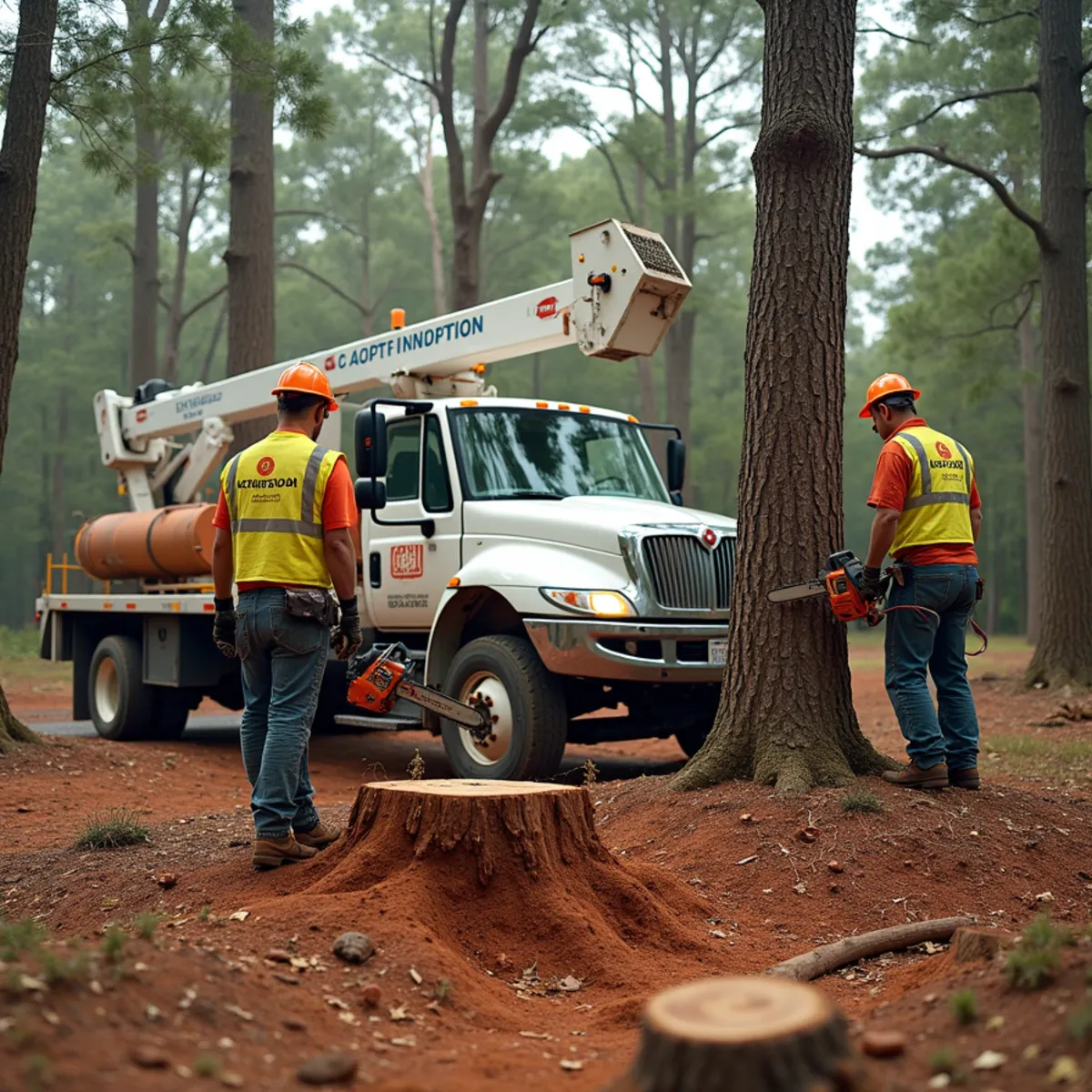
Once the tree removal is done, the stump decision comes next, and grinding and excavation are not the same job with two names. Grinding uses a rotating cutting wheel to chip the stump down below grade, leaving the roots in the soil to decay over time. Excavation physically digs out the stump and the major root ball, removing the mass entirely.
In Georgia's red clay, that difference matters more than it would in loose, sandy soil. Clay is dense, holds together in heavy chunks, and grips a root ball tightly, which changes the cost and the mess of each approach.
How Grinding Performs in Red Clay
Grinding is the faster, cleaner, and usually cheaper option. A grinder works the stump down to a commonly discussed depth of about 12 to 18 inches below the surface, producing a pile of chips and clay that can backfill the hole or be hauled away. There is minimal disturbance to the surrounding lawn.
The trade-off is that grinding does not remove the roots. In clay, those roots decay slowly, and the ground can settle over a season or two as they break down. For most homeowners re-establishing turf or a small bed, that is a perfectly acceptable outcome handled by standard stump grinding and removal.
When Full Excavation Is Worth It
Excavation makes sense when you need the space genuinely clear of wood and roots, for example before pouring a foundation, installing a pool, or planting a new large tree in the exact same spot. Removing the root ball prevents future settling and eliminates roots that could interfere with construction.
The downsides are real, though. Excavation in clay means heavier equipment, a much larger hole, significant soil disruption, and a bigger bill. You also have to import clean fill because the excavated clay and root ball leave a substantial void.
Side-by-Side for Georgia Conditions
The table below sums up the practical differences homeowners in the metro care about most.
| Factor | Stump grinding | Full excavation |
|---|---|---|
| Typical cost | $130 - $430 | Substantially higher |
| Depth | ~12-18 in below grade | Entire root ball removed |
| Lawn disruption | Minimal | Significant, large hole |
| Roots removed | No, left to decay | Yes, physically removed |
| Best for | Turf, beds, most yards | Foundations, pools, replanting same spot |
The Replanting Question
Homeowners often ask whether they can plant a new tree where the old one stood. After grinding, the leftover chips and slowly decaying roots make that spot poor for a large new tree right away; the decaying wood ties up nitrogen and the soil is a mix of chips and clay. A small shrub or turf is fine; a replacement shade tree is better sited a few feet away.
If planting the same large tree in the same location is non-negotiable, excavation and fresh soil give it the clean start it needs. Tell your crew the end goal so they recommend the right method.
Clarify These Before You Book
Whichever method fits, get the details in writing so the finished job matches your expectation.
- The grinding depth or excavation extent included in the price.
- Whether chips stay on site as backfill or are hauled away.
- Whether surface roots, soil replacement, and grading are included.
- Whether seed, sod, or planting prep is part of the scope.
- That the final walkthrough happens after equipment and debris leave.
Grindings, Settling, and the Termite Question
Two practical realities catch homeowners off guard after grinding. The first is volume: a ground stump produces a surprising mound of chips and clay, noticeably more than the hole it came from, because the material fluffs up as it is cut. You either backfill with it, knowing the spot will sit high and then settle, or have it hauled and bring in clean fill. The second is settling itself. As the buried roots decay in dense red clay over a season or two, the ground sinks, so plan to top off with real topsoil, not leftover chips, before you sod or seed.
There is also a proximity question that matters near the house. Grinding leaves the entire root system in the ground to rot, and decaying wood close to a foundation can attract carpenter ants and termites looking for exactly that kind of moist, softening material.
For a stump within a few feet of the slab, a crawlspace, or a wooden deck, that is a real argument for full excavation, or at least grinding the surface roots out and keeping the void dry. Tell your crew how close the stump sits to the structure so the stump grinding and removal plan accounts for it rather than leaving a buffet against your foundation.
Get the Right Method for Your Roswell Lot
Not sure whether to grind or excavate? Call (855) 615-0568 and we will look at your goals, your soil, and what you plan to do with the space. For homeowners across Roswell and the north metro, we handle both, and our stump grinding and removal quotes spell out depth, chips, and restoration so there are no surprises.
Written & reviewed by
The Your Tree Expert crew
This guide was written and reviewed by our working arborists — ISA-informed, fully licensed and insured, serving Fulton County and Metro Atlanta since 2020. We handle the removals, storm cleanups, and assessments described here every day.
Need a hand from a certified arborist?
Your Tree Expert provides fast, insured tree care across Atlanta and Metro Atlanta. Get a free written estimate or call our 24/7 line.