Problem-Solving Core
How to Prepare Your Lot for New Home Construction in North Fulton and Cherokee Counties
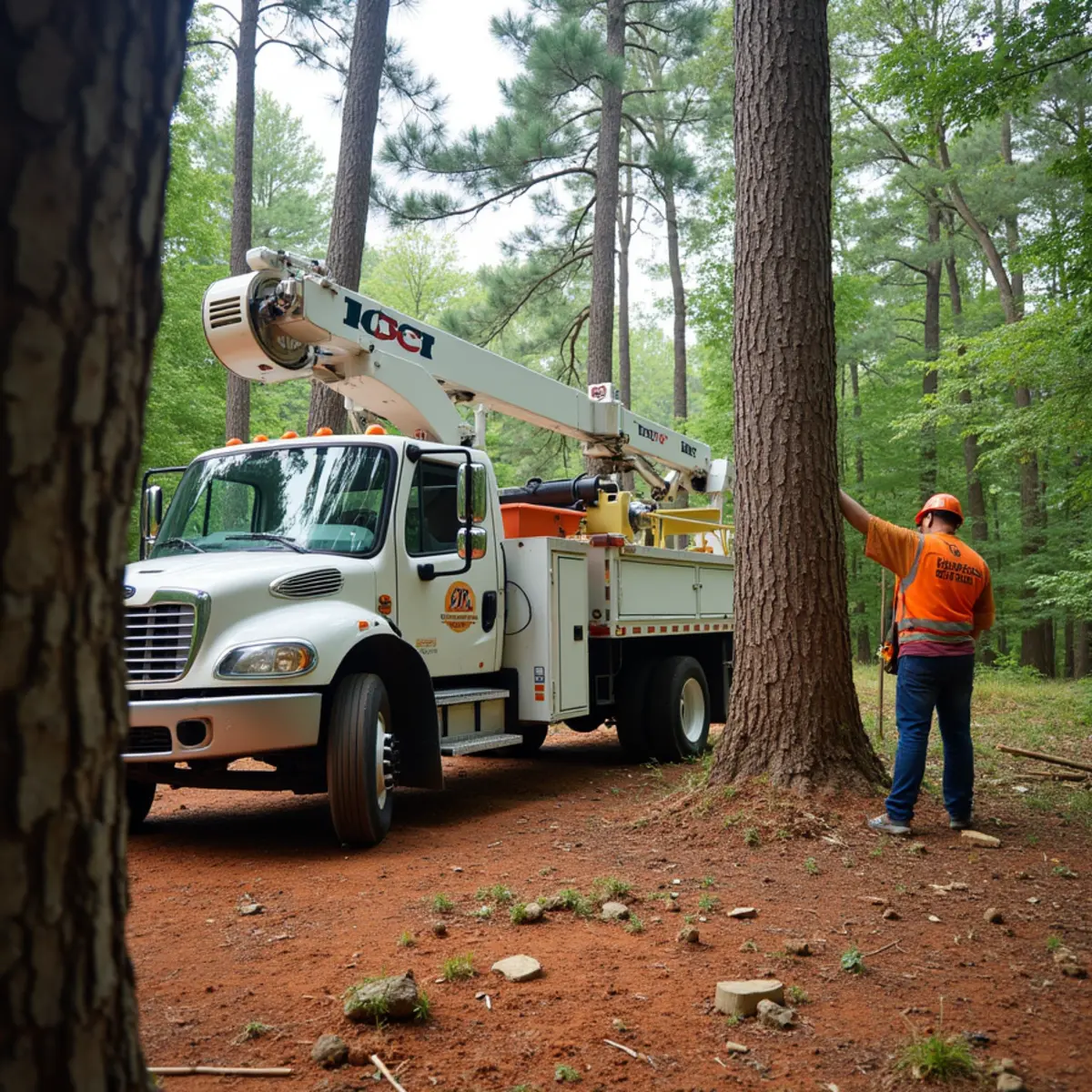
Clearing a wooded lot for construction is more than knocking trees down. Here is how to phase the work, keep the right trees, and stay compliant in North Fulton and Cherokee.
Clearing a Wooded Lot the Right Way
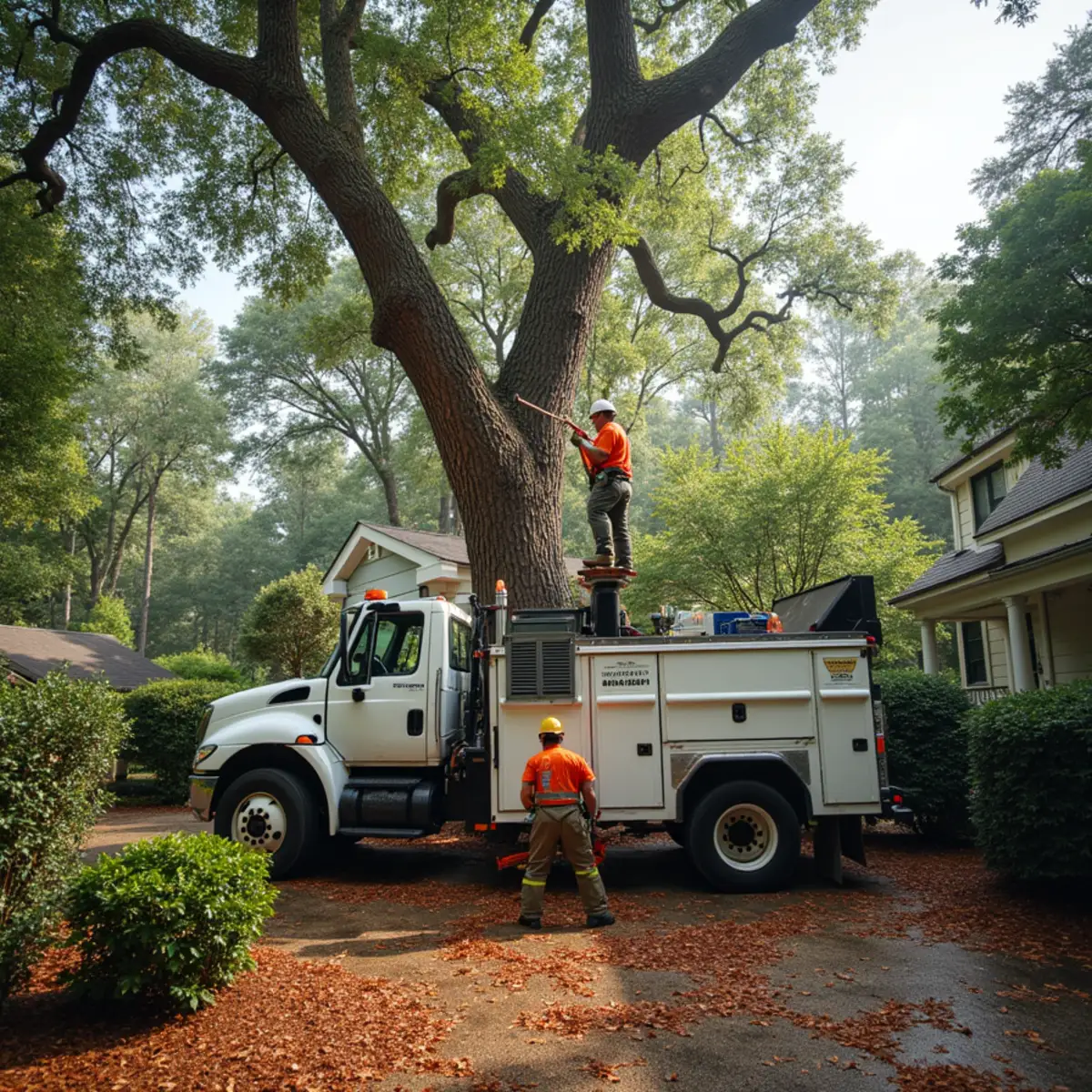
North Fulton and Cherokee County still have plenty of heavily wooded lots, and buyers love the mature pine and hardwood canopy right up until it is time to build. Clearing that lot is not a matter of pushing everything into a pile. Done thoughtfully, it protects the trees you want to keep, respects local ordinances, and sets up a clean, buildable site.
The mistake that costs homeowners the most is clearing too aggressively, then discovering that the shade trees they wanted to save were damaged by equipment or that they violated a tree-protection rule. A plan prevents both.
Start With a Site Plan and Tree Survey
Before a single tree comes down, map the build. Overlay the house footprint, driveway, septic or utility lines, and grading against the existing trees. That reveals which trees are in the way, which are worth keeping, and which are hazards regardless.
In many jurisdictions a tree survey and a tree-protection or land-disturbance permit are required before clearing. North Fulton municipalities like Milton have their own tree ordinances layered on county rules, so confirm what your specific address requires. Skipping this step is where projects get red-tagged.
Decide What Stays and What Goes
Not every tree is a keeper, and not every keeper survives construction. Evaluate each significant tree for species, health, structure, and how close it sits to the disturbance.
- Keep healthy, well-structured hardwoods well outside the grading and foundation zone.
- Remove trees inside the footprint, driveway, and utility trenches during lot and land clearing.
- Remove dead, diseased, or hazardous trees near the future home regardless of location.
- Flag borderline trees for an arborist opinion before committing.
- Protect keeper trees with fencing at the drip line to keep equipment off the roots.
Protecting the Trees You Keep
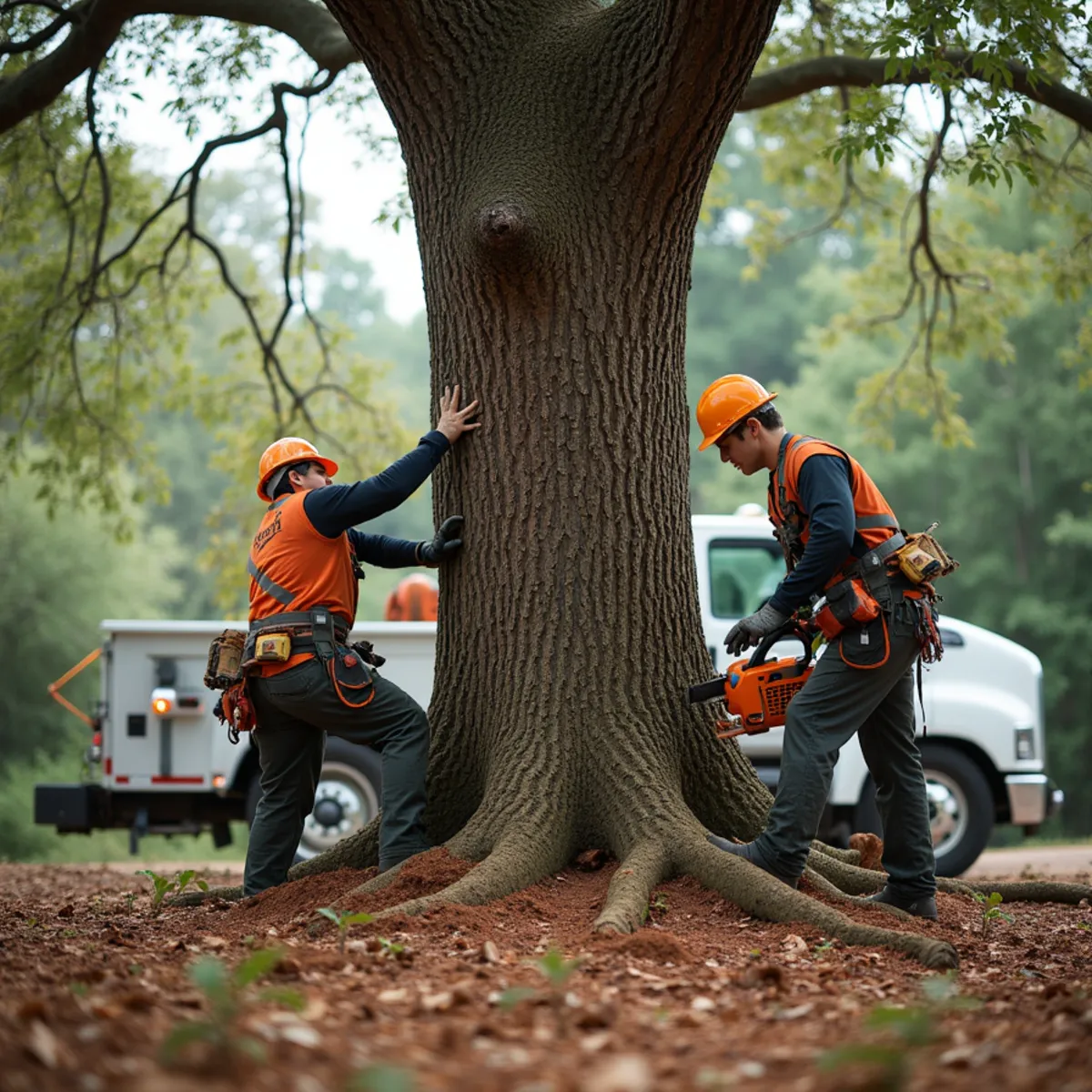
The trees that make a wooded lot valuable are easy to kill by accident during construction. Compacting the soil over the root zone with heavy equipment, cutting roots for a trench, or piling fill against the trunk can doom a tree that looks fine on move-in day but declines and dies two or three years later.
Serious builders fence off the critical root zone, route equipment and material storage away from keeper trees, and avoid grade changes over the roots. A pre-construction tree risk assessment of the keepers documents their condition and flags any that will not tolerate the disturbance.
Handling the Debris
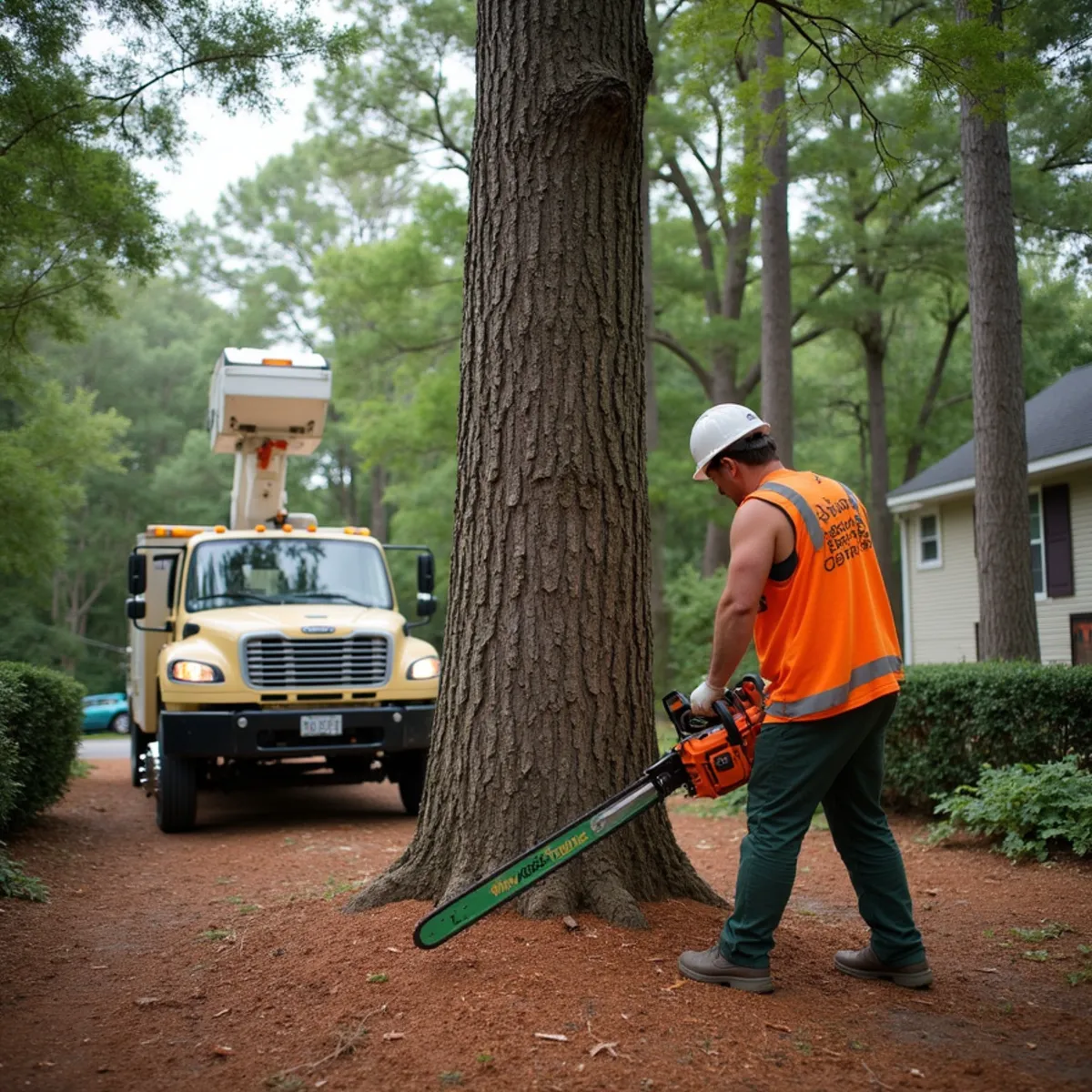
A cleared lot generates a lot of material: logs, brush, stumps, and root balls. The plan should specify how it is handled, because leaving it changes your grading and your budget. Merchantable pine may be chipped or hauled, hardwood logs can be removed or repurposed, and stumps need grinding or excavation depending on where the structure sits.
For a home foundation and driveway, stumps in the footprint usually need full excavation, not just grinding, so nothing interferes with construction. Sort out debris destination and stump handling in writing so it does not become a surprise change order.
A Commercial-Grade Approach for Milton Builds
Whether you are an individual building a custom home or a developer opening several lots, the discipline is the same, and it overlaps with commercial tree care practices: permits first, a documented plan, protected keepers, and clean debris handling. We serve builders and homeowners across Milton and North Fulton with that structured approach.
The payoff is a lot that is ready for the foundation crew, compliant with local tree rules, and still framed by the mature trees that made you want to build there in the first place.
The Root Zone Math That Saves Keeper Trees
The reason so many saved trees die two or three years after a build is that protection was measured by the trunk instead of the roots. A tree's critical root zone extends well beyond the drip line, and a useful field rule is roughly a foot to a foot and a half of radius for every inch of trunk diameter. Fence that circle off before any equipment arrives, and treat everything inside it as off-limits for driving, parking, material storage, and washout.
The damage that kills is usually invisible on the day it happens. Compacting saturated red clay over the roots squeezes out the air the tree needs, and severing roots on the far side for a utility trench removes anchorage and water uptake at once. The tree leafs out fine that first spring, then declines and dies once its reserves run out, long after the crew has left. Building the protection plan into your lot and land clearing scope from the start is what keeps it from becoming an afterthought.
The table pairs the common construction activities with the injury they cause and the fix.
| Construction activity | Risk to keeper trees | Protection |
|---|---|---|
| Heavy equipment over roots | Soil compaction, root suffocation | Fence the critical root zone, reroute traffic |
| Utility or drain trenching | Severs anchoring and feeder roots | Tunnel under, or route outside the zone |
| Fill or grade change over roots | Buries and smothers the flare | No fill inside the protected zone |
| Material and spoil storage | Compaction and stem damage | Stage well away from keepers |
Plan Your Lot Clearing With Experts
Before you clear, call (855) 615-0568 for a site walk and a lot and land clearing plan tailored to your North Fulton or Cherokee County build. We will identify keepers, flag hazards, handle the debris and stumps, and keep your project on the right side of local tree ordinances.
Written & reviewed by
The Your Tree Expert crew
This guide was written and reviewed by our working arborists — ISA-informed, fully licensed and insured, serving Fulton County and Metro Atlanta since 2020. We handle the removals, storm cleanups, and assessments described here every day.
Need a hand from a certified arborist?
Your Tree Expert provides fast, insured tree care across Atlanta and Metro Atlanta. Get a free written estimate or call our 24/7 line.