Cost & Insurance
Will Homeowners Insurance Pay for Fallen Tree Removal in Georgia? What You Need to Know
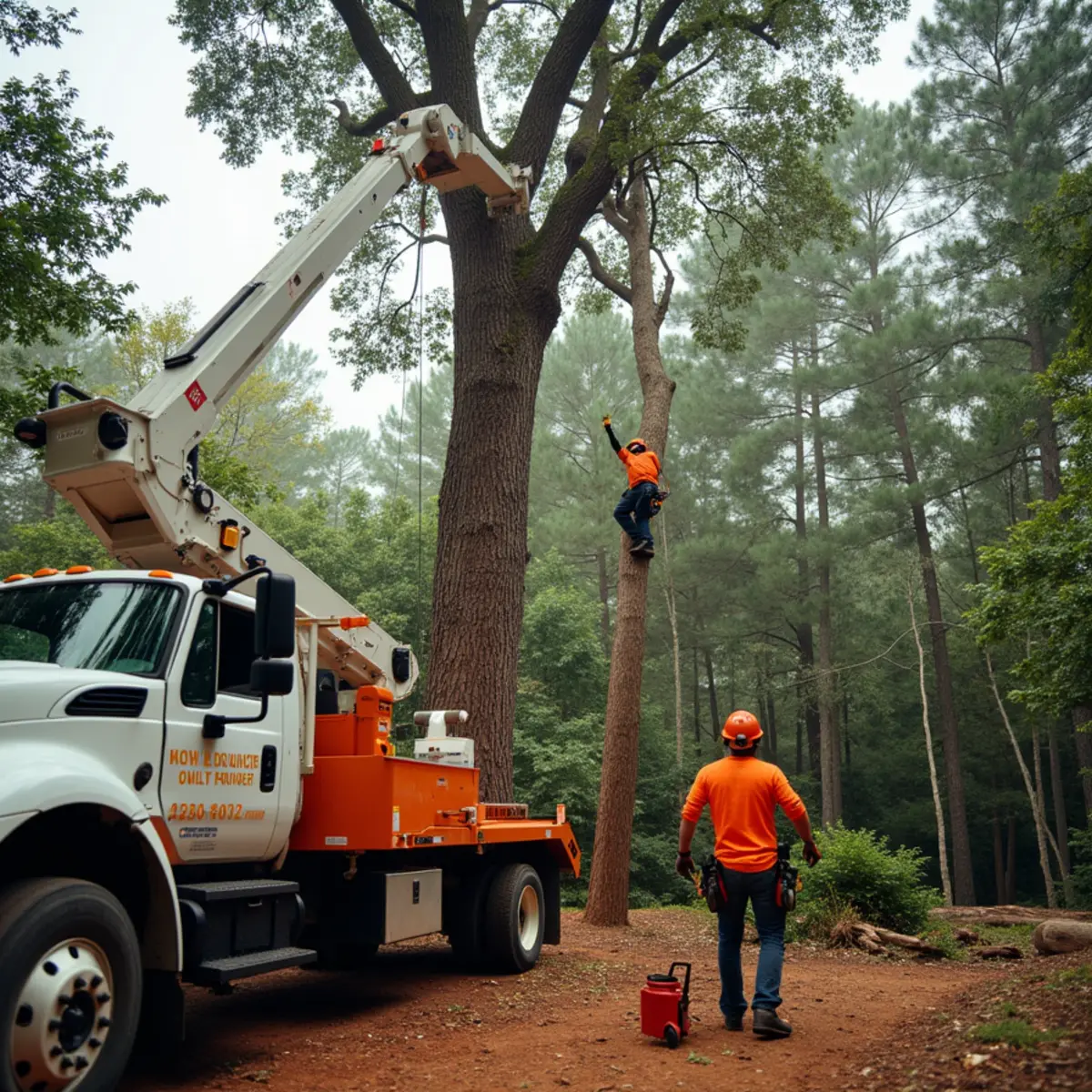
Whether your policy pays for a fallen tree in Georgia depends on what it hit and why it fell. Here is how coverage typically works and how to build a claim file that holds up.
The Short Answer, With Georgia Caveats
Yes, homeowners insurance often covers fallen tree removal in Georgia, but only under specific conditions. Coverage generally hinges on two questions: did the tree damage a covered structure, and did a covered peril such as a storm cause it to fall. A tree company cannot promise what your insurer will do, but understanding the pattern helps you file well.
The most important distinction is that policies typically pay to remove a tree when it damages something, not simply because it fell in your yard. The table below outlines the common scenarios.
| Scenario | Typical coverage outlook | Why |
|---|---|---|
| Tree hits your house or garage in a storm | Often covered | Covered peril damaged a covered structure |
| Tree falls in yard, hits nothing | Often not covered | No damage to insured structure |
| Tree falls on fence or driveway | Sometimes covered | Depends on structure coverage and policy terms |
| Dead or neglected tree falls | May be denied | Insurer may cite lack of maintenance |
| Neighbor's tree hits your home | Usually your policy first | Then possible subrogation between insurers |
Covered Peril vs. Neglect
Insurers look closely at why the tree failed. A healthy tree brought down by a thunderstorm, tornado remnant, or ice event is a classic covered peril. A tree that was visibly dead, hollow, or leaning for months may draw a denial on the grounds that the loss was preventable through maintenance.
This is one reason a documented hazardous tree assessment matters before a storm, not just after. A record showing you monitored and acted on a tree's condition undercuts any argument that you neglected an obvious hazard.
Limits, Deductibles, and Removal Caps
Even when a claim is covered, the details shape your payout. Many policies cap debris removal for a fallen tree at a set amount per event, and a large-tree removal can exceed that cap. Your deductible applies before the insurer pays anything, so a modest removal may fall entirely within it.
Read your declarations page for the tree removal or debris removal sublimit and your deductible before you assume the whole bill is covered. Ask your adjuster directly what applies to your loss.
Build a Claim File That Holds Up
Documentation wins claims. Photograph the whole tree, the failure point, and every damaged surface before cleanup begins, then keep a clean paper trail from that moment forward.
- Wide and close photos of the tree, the point of failure, and all damaged property.
- The date and time of the storm or event that caused the fall.
- Receipts for emergency mitigation, tarping, and any temporary protection.
- A written, itemized removal estimate separating labor, equipment, and hauling.
- Records of what was removed and hauled, plus any permit documentation.
Emergency Mitigation and Your Duty to Prevent Further Loss
Georgia policies generally include a duty to protect the property from further damage. That means reasonable emergency steps, like tarping an open roof or removing a tree still threatening the structure, are usually reimbursable even before the full inspection, as long as you document them.
Ask your insurer whether emergency mitigation must be approved first or can proceed immediately. Our storm damage cleanup crews document their work specifically so it slots cleanly into your claim, and our insurance claim tree removal scopes are written with adjusters in mind.
How We Support Marietta and Metro Claims
We work with homeowners across Marietta and the broader metro to provide the clear, itemized documentation an adjuster expects, without ever promising coverage we cannot control. Coverage is between you and your carrier; our job is to make sure the paperwork on the tree side is airtight.
That means matched before-and-after photos, a scope that lines up with the damage, and receipts you can hand over without chasing them down later.
Read Your Adjuster's Estimate Line by Line
Once a claim is open, the number that matters is the one on the adjuster's estimate, and it pays to read it the way you would a contractor's bid. Insurers often use standardized pricing software, and the figure it generates for tree work does not always reflect what a rigging-and-crane removal in a tight Atlanta backyard actually costs. Getting your own itemized written scope lets you compare line for line rather than accept a single lump sum.
Watch specifically for the debris removal cap and how the estimate splits felling from hauling and stump work. If the adjuster's allowance for debris is lower than the real cost, that gap is worth a conversation before the work proceeds, not after.
The other common surprise is hidden damage that only appears once the tree is off the structure, such as a cracked rafter or a compromised wall the canopy concealed. That is a supplemental claim, and it is far easier to pursue when your removal crew photographed the structure as the weight came off. Our insurance claim tree removal scopes are written to line up with adjuster estimates and to flag exactly that kind of concealed damage for a storm cleanup file that holds together.
Claim-Ready Help After a Fallen Tree
If a tree has come down on your Georgia home, document the damage safely, notify your insurer, and call (855) 615-0568. We will provide a written insurance claim tree removal scope and handle the storm cleanup with the documentation your carrier needs, so the tree side of your claim is one less thing to worry about.
Written & reviewed by
The Your Tree Expert crew
This guide was written and reviewed by our working arborists — ISA-informed, fully licensed and insured, serving Fulton County and Metro Atlanta since 2020. We handle the removals, storm cleanups, and assessments described here every day.
Need a hand from a certified arborist?
Your Tree Expert provides fast, insured tree care across Atlanta and Metro Atlanta. Get a free written estimate or call our 24/7 line.