Prevention & Maintenance
Why You Must Remove Dead Ash Trees Immediately: The Danger of Sudden Branch Drop
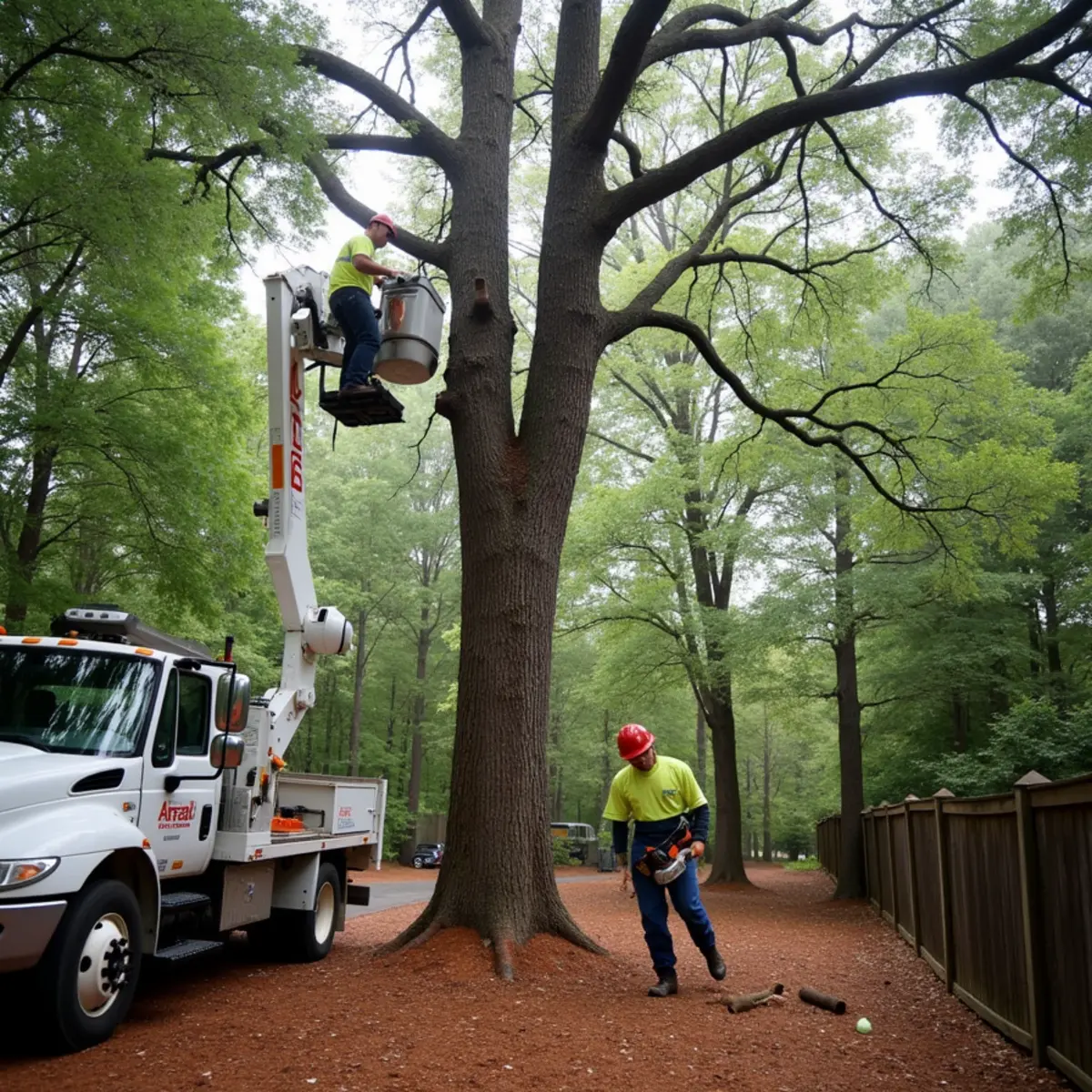
A dead ash is one of the most unpredictable trees to be around. Emerald ash borer has killed millions, and the dead wood turns brittle fast. Here is why removal cannot wait.
The Ash Tree Crisis in Georgia
The emerald ash borer, an invasive beetle first confirmed in Georgia in 2013, has been killing ash trees across the state ever since. The larvae tunnel beneath the bark, cutting off the tree's ability to move water and nutrients, and an infested ash typically dies within a few years. If you have an ash on your property that is untreated, the odds are it is either dead, dying, or will be.
A dead ash is not just another dead tree. It is uniquely dangerous to be around, and that danger is exactly why arborists urge homeowners to remove them promptly rather than letting them stand.
Why Dead Ash Wood Is So Dangerous
The defining hazard of a dead ash is how fast and how completely it becomes brittle. Ash wood dries out and loses its integrity quickly after the tree dies, far faster than many other species. Within a year or two, limbs and even the trunk can shatter under their own weight or the lightest wind.
The result is sudden branch drop with no warning: a large limb letting go on a still day, or a whole top failing during a mild breeze. That unpredictability makes a dead ash a serious threat to anyone or anything beneath it, from the driveway to the patio.
The Danger Extends to Removal Itself
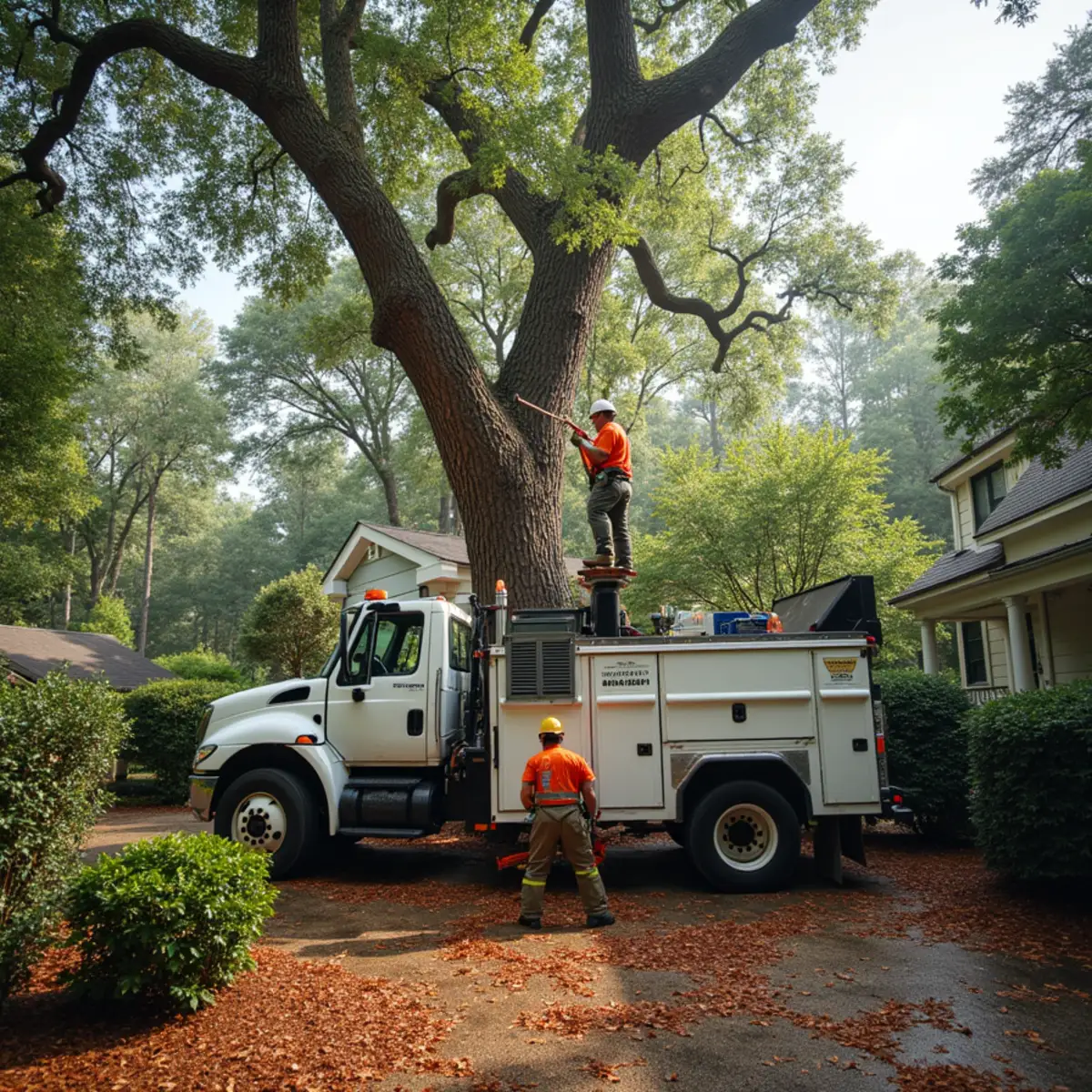
The same brittleness that makes a dead ash dangerous to stand near makes it dangerous to remove. A climber cannot trust brittle, decayed wood to hold, so the safe methods change. Crews often avoid climbing a dead ash entirely, using a bucket truck or a crane instead so no one puts their weight on unreliable limbs.
This is a strong argument for removing an ash early, while there is still sound wood to work with. The longer a dead ash stands, the more hazardous and the more expensive it becomes to take down safely. It is genuinely time-sensitive tree removal.
How to Tell If Your Ash Is Infested or Dead
Confirm what you are dealing with before deciding. Emerald ash borer leaves distinctive signs, and a declining ash usually shows several.
- Canopy thinning and dieback starting at the top of the tree.
- D-shaped exit holes about an eighth of an inch across in the bark.
- S-shaped larval galleries winding under loose or split bark.
- Vertical bark splits and unusual sprouting from the trunk base.
- Heavy woodpecker activity stripping bark to reach the larvae.
Treat, Monitor, or Remove?
A healthy, high-value ash that is not yet heavily infested can sometimes be protected with insecticide treatments repeated on a schedule, a decision worth making with an arborist while the tree is still vigorous. But once an ash is significantly declined or dead, treatment is no longer the question. The only responsible path is removal.
If the tree is already dead and near a target, do not wait to see how the season goes. The risk of sudden failure and the rising difficulty of a safe takedown both argue for acting now. Where dead limbs are the immediate concern on a tree slated for removal, prompt hanging limb removal reduces the danger in the meantime.
Serving Duluth and the Northeast Metro
Communities across Duluth and the northeast metro have lost many ash trees to the borer, and standing dead ash remain a common hazard in yards and along streets. We assess and remove these trees with methods matched to their brittle condition, keeping crews off unreliable wood.
If you are not sure whether that bare tree is an ash and whether it is dead, an assessment settles it quickly.
Treat or Remove? An Ash Decision Guide
The fork in the road with any ash is whether it is still a candidate for treatment or already a removal. That call hinges mostly on how much healthy canopy remains and where the tree stands relative to people and structures. Insecticide treatments that protect against emerald ash borer work as prevention and early intervention on a vigorous tree, not as a rescue once the borer has done its damage. As a rough threshold, an ash that has already lost more than roughly a third of its canopy is generally past the point where treatment is worthwhile.
Location weighs on the decision as much as canopy. A lightly affected, high-value ash in the open may justify a treatment program; the same tree overhanging a driveway or a bedroom shifts the math toward removal while sound wood still makes the takedown safe. When the picture is unclear, an arborist assessment settles it quickly.
The table condenses the common scenarios into a starting recommendation.
| Canopy condition | Near a target? | Typical recommendation |
|---|---|---|
| Healthy, minimal dieback | Any | Treatment program worth considering |
| Under a third canopy loss | Away from targets | Treat and monitor |
| Over a third canopy loss | Any | Plan removal |
| Dead or brittle | Any | Remove promptly |
Do Not Let a Dead Ash Stand
A dead ash near your home, driveway, or where people gather is a sudden-failure waiting to happen. Call (855) 615-0568 for prompt dead ash removal before it becomes more brittle and more dangerous. We use bucket and crane methods suited to brittle wood, and we can handle urgent limb removal right away.
Written & reviewed by
The Your Tree Expert crew
This guide was written and reviewed by our working arborists — ISA-informed, fully licensed and insured, serving Fulton County and Metro Atlanta since 2020. We handle the removals, storm cleanups, and assessments described here every day.
Need a hand from a certified arborist?
Your Tree Expert provides fast, insured tree care across Atlanta and Metro Atlanta. Get a free written estimate or call our 24/7 line.