Commercial / Property Managers
Commercial Property Tree Management: Mitigating Liability for Fallen Branches in Atlanta
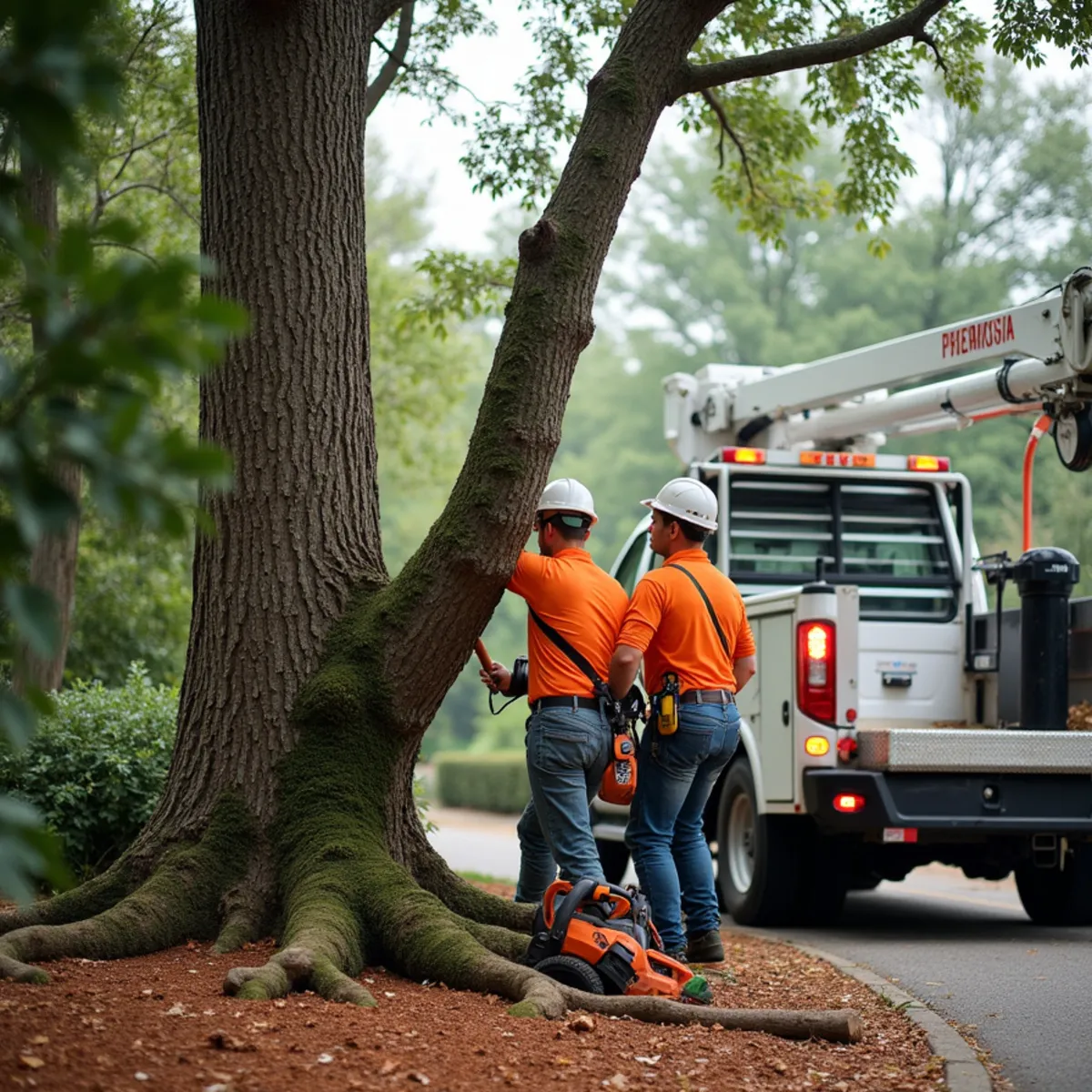
For Atlanta property managers, a fallen branch is a liability event. Learn how proactive tree management and documented inspections reduce risk on commercial sites.
Trees Are a Managed Asset, and a Liability
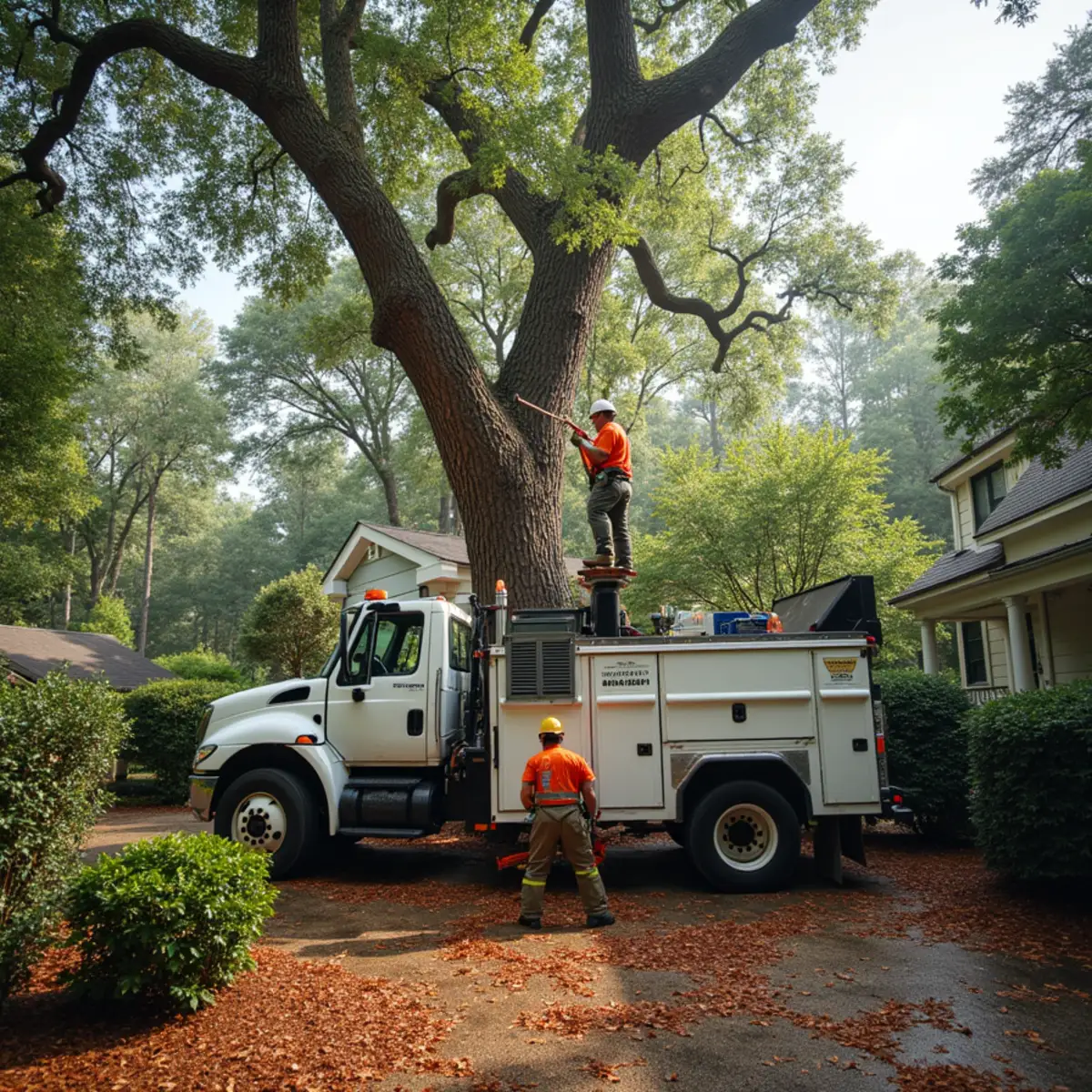
On a commercial property, the trees along the parking lot, the entrance drive, and the walkways are an asset that adds value and shade, and a liability that sits over people and vehicles every day. When a limb comes down on a customer's car or, worse, a person, the question that follows is whether the owner exercised reasonable care.
For property managers, HOAs, and commercial owners across Atlanta, that legal standard makes proactive tree management a risk-management function, not just landscaping. The difference between a defensible position and an exposed one usually comes down to documentation.
The Legal Standard of Reasonable Care
Georgia premises-liability principles generally hold a property owner responsible for hazards they knew about or should have known about through reasonable inspection. A tree that was visibly dead, conked, or hollow and then dropped a limb is a very different situation from a healthy tree brought down by an extreme storm.
The practical takeaway is that ignorance is not a defense if a reasonable inspection would have caught the hazard. Regular, documented tree inspections are how a commercial owner shows they met that standard of care, which is central to sound commercial tree care.
Build a Documented Inspection Program
A defensible tree program is systematic, not reactive. The core elements are consistent across most commercial sites.
- A tree inventory identifying each significant tree and its location on the property.
- Scheduled inspections on a set cycle, with high-traffic zones prioritized.
- Written records of each inspection, findings, and recommendations.
- Documented follow-through on recommended pruning, treatment, or removal.
- Prompt response to storm damage and any newly identified hazard.
Prioritize by Traffic and Target
Not every tree on a commercial site carries equal risk. Trees over parking spaces, entrances, sidewalks, patios, and play areas threaten people and property continuously, while trees at the wooded edge of a lot threaten far less. A smart program concentrates inspection frequency and budget where the targets are.
This target-based approach keeps the program cost-effective and focuses attention on the failures that would actually cause a claim. It is the same triage professionals apply, scaled to a portfolio.
Documentation That Protects You
If an incident does occur, the records you kept become your defense. Written inspection reports showing you identified conditions and acted on them demonstrate reasonable care. The absence of any records, by contrast, leaves you explaining why a hazard went unaddressed.
We provide commercial clients with the written assessments, recommendations, and completed-work records that build that paper trail over time. It is quiet insurance that only proves its worth when something goes wrong.
When an Emergency Happens Anyway
Even a well-managed property gets hit by an extreme storm. When a tree comes down across the entrance or a limb blocks the fire lane, response time matters for both safety and business continuity. A commercial account with a tree service that already knows the property can be mobilized fast.
Our 24/7 emergency tree service handles those events across Atlanta, clearing hazards and access quickly and documenting the work for insurance. Pairing proactive management with an emergency relationship is how serious property managers cover both ends of the risk.
Proactive vs. Reactive: The Cost of Waiting
Property managers often defer tree work because the budget line looks optional until the day it isn't. The math rarely favors waiting. A scheduled prune or a planned removal is a controlled, quoted expense performed on a calm day with the drive open. The same tree after failure becomes an after-hours emergency, often with vehicle or structure damage, a blocked access point, and an insurance file attached.
The table below frames how the two approaches compare across the factors that actually drive a commercial owner's exposure. The figures are directional market context for an Atlanta site, not a quote, and every property differs.
| Factor | Proactive Management | Reactive Response |
|---|---|---|
| Timing | Scheduled on a calm-weather day | After-hours, often mid-storm |
| Cost basis | Planned, quoted pruning or removal | Emergency rates plus damage repair |
| Access impact | Lane or walkway closed briefly, by plan | Entrance or fire lane blocked unplanned |
| Liability posture | Documented reasonable care | Explaining an unaddressed hazard |
| Tenant and customer impact | Minimal, communicated in advance | Disruption, possible injury claim |
Storm-Season Readiness for Georgia Sites
Atlanta's weather stresses commercial trees in specific ways, and a readiness plan should account for them. Summer thunderstorms and the remnants of tropical systems drop limbs and topple saturated trees when red-clay soil loses shear strength and the root plate lifts. Winter ice storms load loblolly and longleaf pines until tops snap and whole stems fail. Each pattern threatens the parts of a site people use most.
Before storm season, an arborist walks the property for the failures that would close it: deadwood and weak unions over parking spaces, leaning pines near walkways, and root-plate movement at the base of large trees along the drive. Pruning to ANSI A300 standards removes the loads most likely to come down, and clearing sightlines keeps signage, lighting, and monument signs visible rather than screened by overgrowth that also hides decay.
Documenting that pre-season pass matters as much as doing it. The report showing you inspected, identified conditions, and scheduled the work is the same paper trail that demonstrates reasonable care, and it feeds directly into a focused hazardous tree assessment on any tree the walk flags as questionable.
Matching Inspection Depth to Risk
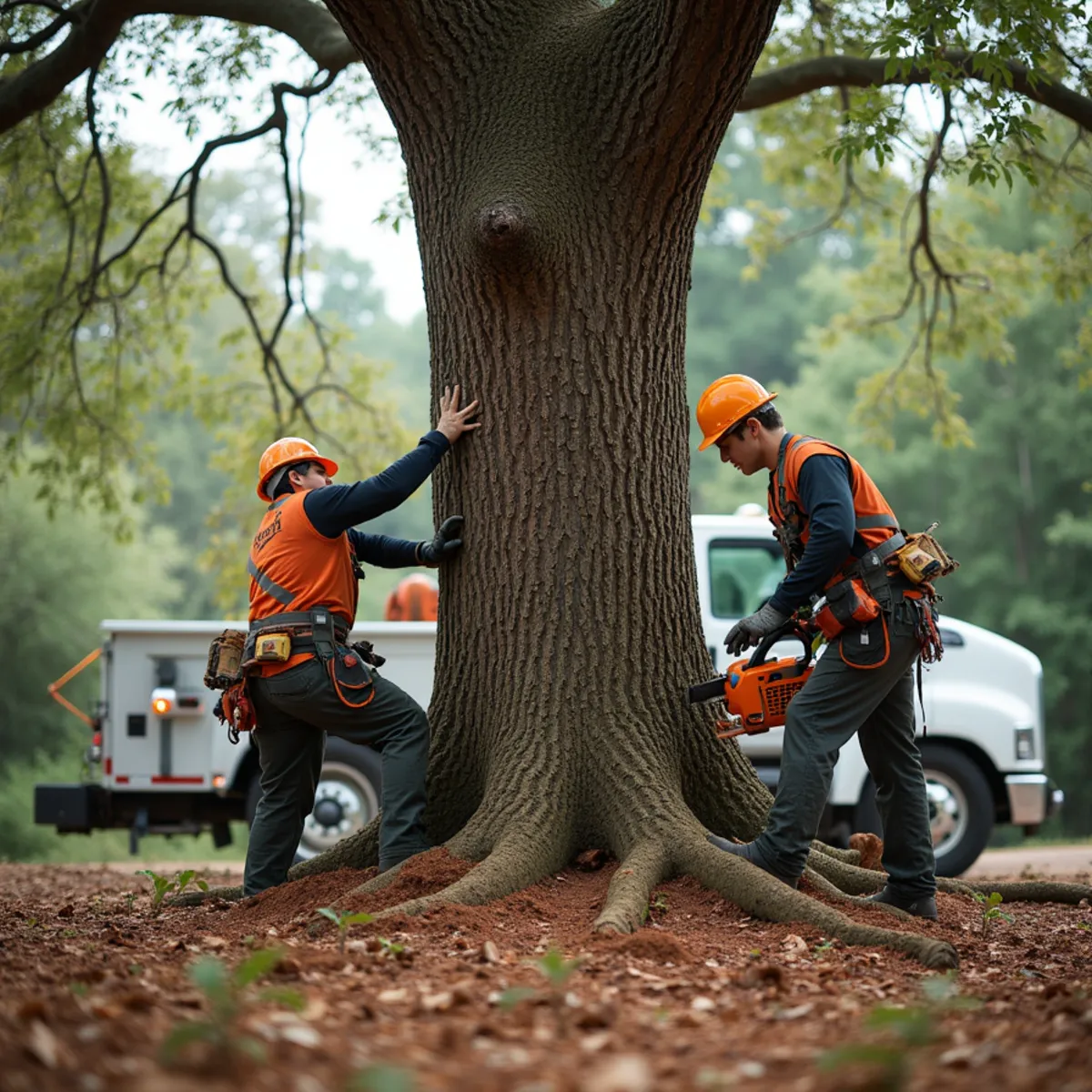
A defensible commercial program does not inspect every tree the same way, and understanding the tiers helps a property manager spend the budget where it counts. Arborists work in levels of assessment. A limited, level-one look is essentially a visual pass, often from a vehicle, useful for scanning a large portfolio for obvious problems. A level-two basic assessment is the walk-around on foot that most commercial trees warrant on a set cycle, examining each tree from the base to the crown on all sides.
When either of those turns up something the eye cannot resolve, such as suspected internal decay or a questionable root plate, a level-three advanced assessment brings in tools and detailed analysis to quantify the risk.
The practical model for a portfolio is to run routine level-two inspections on a documented schedule, concentrate them where the targets are, and escalate individual trees to a level-three hazardous tree assessment only when they earn it. That tiered approach keeps the program affordable while ensuring the trees that could actually cause a claim get the scrutiny they need, and every step generates the records that anchor solid commercial tree care.
Protect Your Property and Reduce Exposure
A documented tree program is the most effective way to reduce liability for fallen branches on your Atlanta commercial property. Call (855) 615-0568 to set up ongoing commercial tree care with scheduled, documented inspections and priority emergency response. Manage the risk before it manages you.
Written & reviewed by
The Your Tree Expert crew
This guide was written and reviewed by our working arborists — ISA-informed, fully licensed and insured, serving Fulton County and Metro Atlanta since 2020. We handle the removals, storm cleanups, and assessments described here every day.
Need a hand from a certified arborist?
Your Tree Expert provides fast, insured tree care across Atlanta and Metro Atlanta. Get a free written estimate or call our 24/7 line.