Local-Specific Angles
Chattahoochee River Bluff Tree Stability: Preventing Steep Slope Landslides and Tree Fall
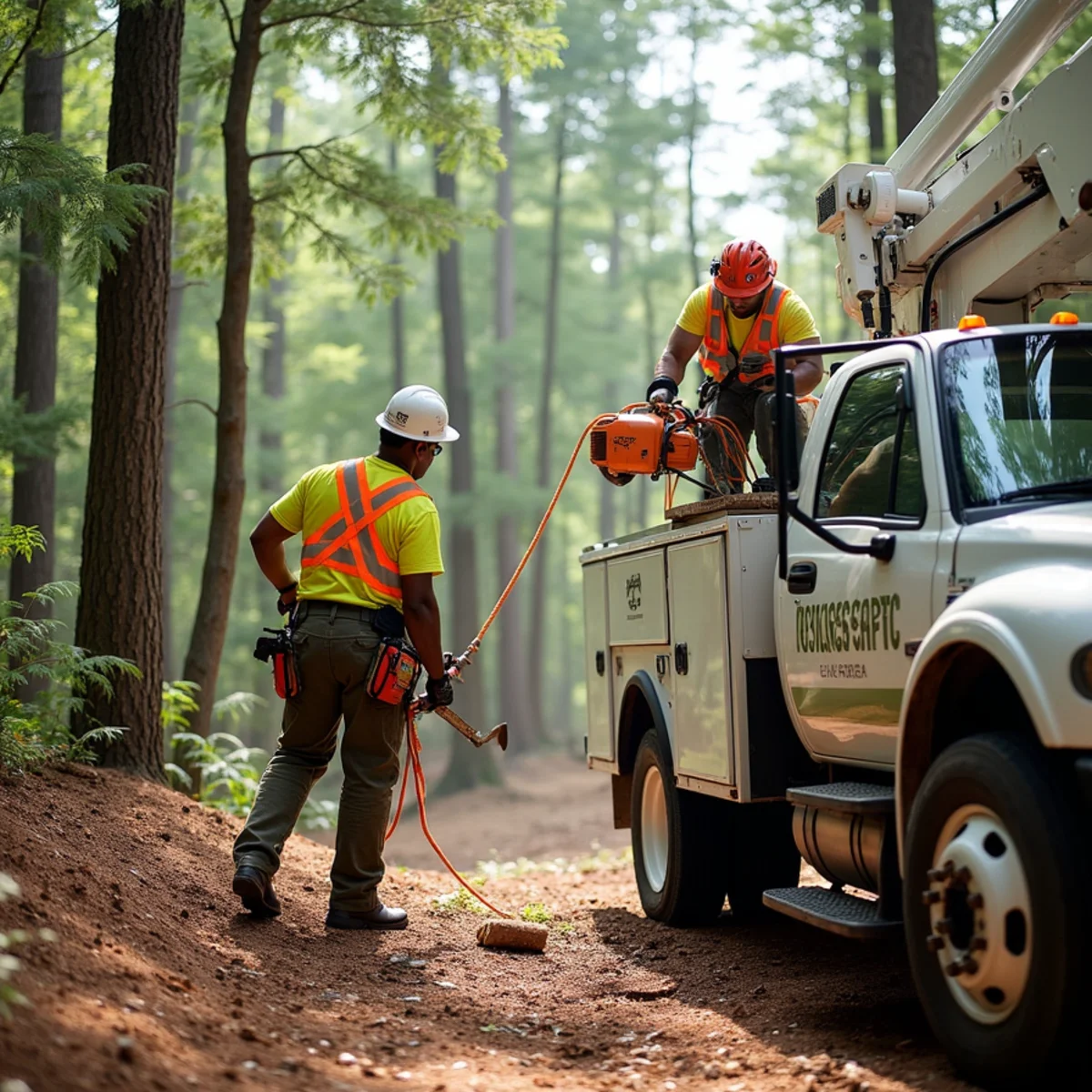
Steep Chattahoochee River bluffs put trees and slopes at risk together. Learn how erosion undermines root plates and what a stability assessment can catch early.
Where the Bluff and the Canopy Meet
The Chattahoochee River carves steep, wooded bluffs through the north metro, and some of the most desirable homes in Sandy Springs and along the river corridor sit right at the top of them. Those bluffs are beautiful, but the same slope and soil that make the view also make the trees on them uniquely prone to failure.
On a steep bank, a tree is fighting gravity and erosion at once. When the soil holding its roots washes or slides downhill, even a healthy tree can lose its footing, and a falling tree can take a chunk of the slope with it. Tree stability and slope stability are the same problem here.
How Erosion Undermines a Root Plate
Georgia's red clay is dense but erodible, especially on a bare or disturbed slope. Every heavy rain moves soil downhill, and over time the ground on the downhill side of a bluff tree thins out. The root plate that anchors the tree loses the very soil it grips.
Saturated clay makes it worse. When the slope soaks up a big storm, it loses shear strength, gets heavier, and can slump or slide. A tree whose roots are already partly exposed on the downhill side has little holding it against that combined load, which is why bluff trees often fail during or just after heavy rain.
Warning Signs on a Sloped Lot
Bluff trees give clues before they fail if you know where to look. Walk your slope after storms and watch for these.
- A tree leaning more than it used to, especially downhill.
- Exposed roots on the downhill side where soil has washed away.
- Soil cracks, slumps, or a soil heave on the uphill side of the trunk.
- A gap opening between the trunk base and the soil.
- Gully erosion, bare washed channels, or slumping in the slope itself.
- Several trees leaning the same direction, a sign of slope movement.
Removal Requires a Different Playbook on a Bluff
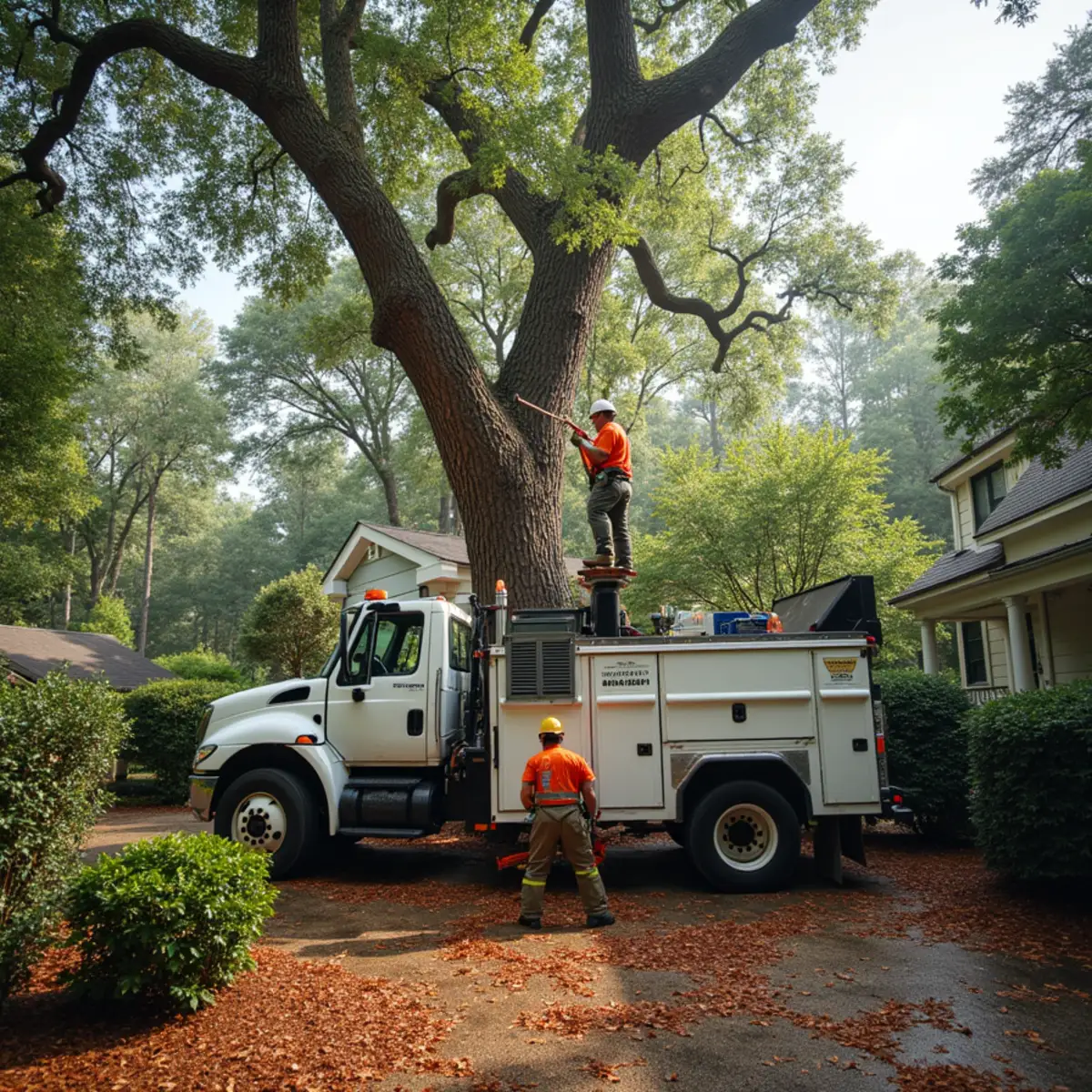
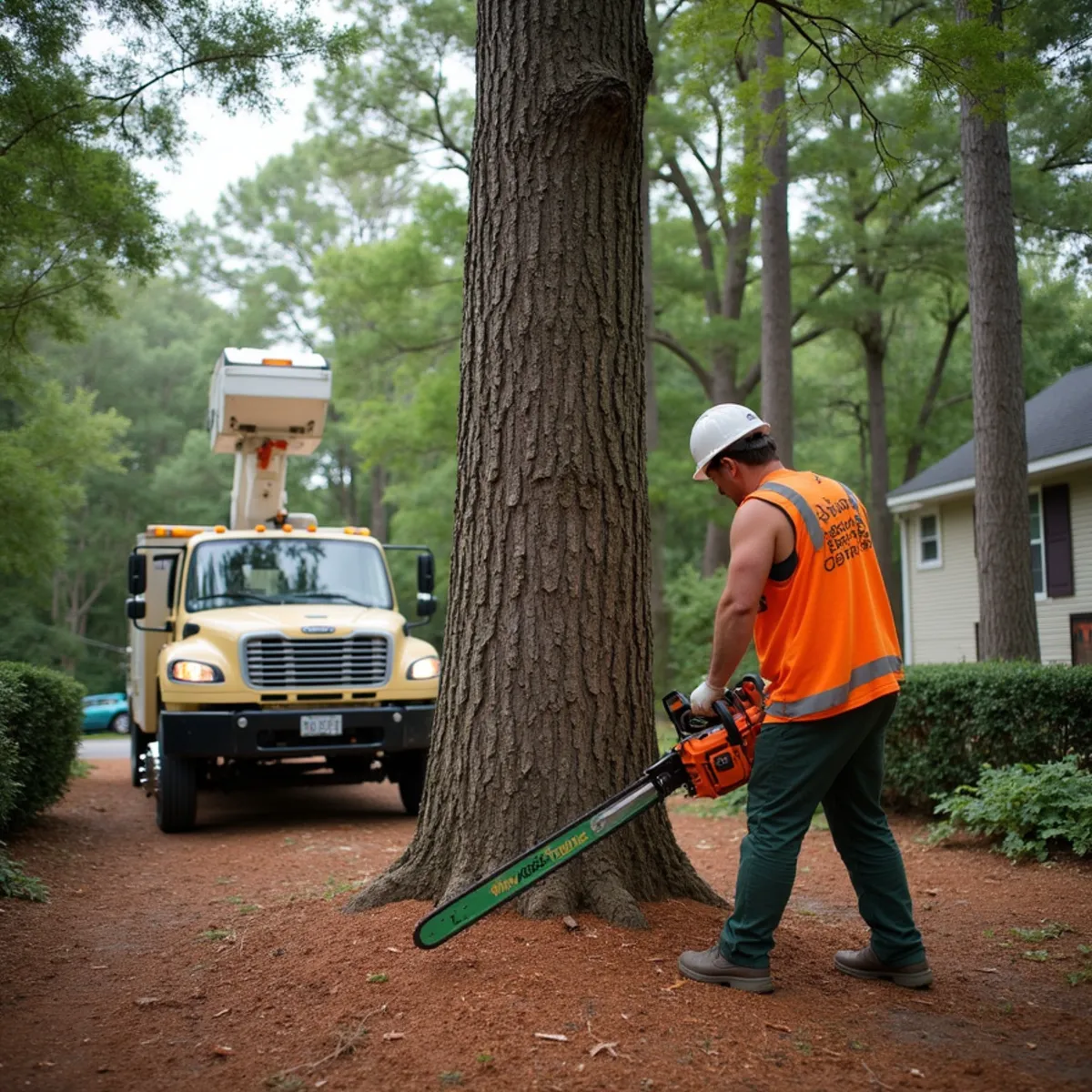
Taking a tree off a steep bluff is not the same as felling one in a flat yard. Access is limited, footing is poor, and dropping a tree the wrong way can trigger further erosion or send debris toward the river. It calls for rigging to control every piece and careful staging on unstable ground.
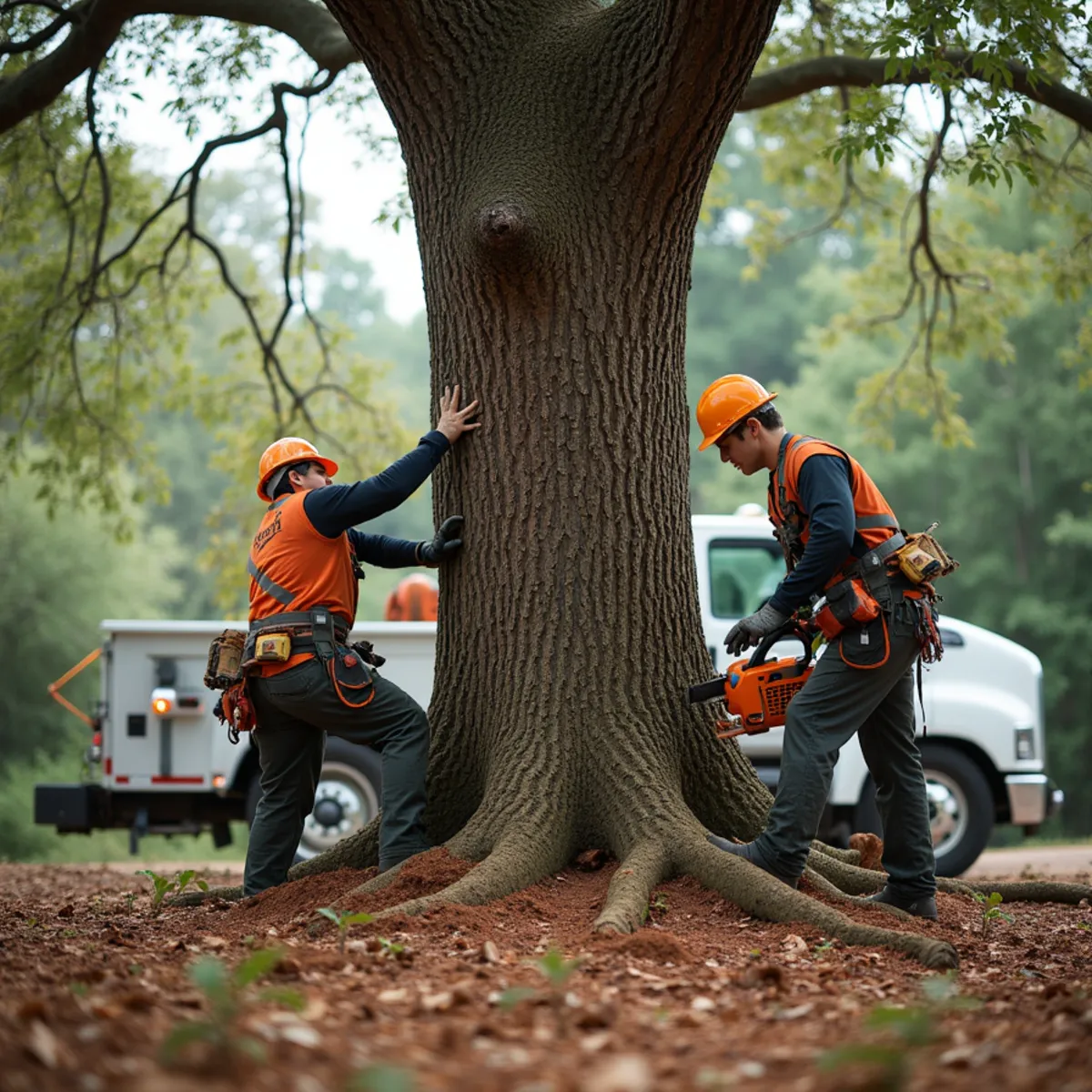
Just as important, removing a tree from a slope can change the slope's stability, because roots help hold the soil. Sometimes the right answer is to remove a specific hazardous tree while preserving others and adding slope protection, a judgment that starts with a proper hazardous tree assessment rather than a chainsaw. Where removal is warranted, we handle the tree removal with slope-aware rigging.
Protecting the Slope, Not Just the Tree
Managing bluff trees well means thinking about the whole slope. Keeping healthy vegetation and root systems in place, directing roof and driveway runoff away from the bank, and avoiding unnecessary clearing all help hold the soil. Stripping a bluff of its trees for a better view can accelerate the erosion that eventually threatens the house itself.
The Chattahoochee corridor also carries stream-buffer and environmental rules that can govern what you may cut near the river. Verify those before any work near the bank.
Serving the Sandy Springs River Corridor
We work the bluff lots throughout Sandy Springs and the Chattahoochee corridor, where steep terrain, mature trees, and erosion intersect. Assessing these properties means looking at the tree and the ground together, and recommending an approach that keeps both stable.
If your lot drops away toward the river and you have big trees on the bank, an assessment before storm season is a wise investment.
River-Corridor Rules You Have to Clear First
Work on a Chattahoochee bluff is not just an engineering problem, it is a regulatory one, and cutting first and asking later can bring real penalties. The land along the river falls under state and regional river-corridor protections that layer stream-buffer and setback requirements on top of the local tree ordinance. Within a defined distance of the bank, disturbing vegetation, regrading, or armoring the slope can require review and permits, and removing trees near the water may not be a free homeowner decision.
The exact distances and triggers are set by current state, regional, and local rule, so the specifics have to be verified for your address before any work, not assumed. This is one setting where a reputable crew will slow you down rather than speed you up, and where a documented removal plan matters as much as the cutting.
The table gives a rough map of the zones and what tends to govern each.
| Zone near the river | Typical restriction | What it means for you |
|---|---|---|
| Immediate stream buffer | Vegetation disturbance limited | Removal may require review |
| Wider corridor setback | Regrading and building restricted | Verify before any slope work |
| Slope outside the buffer | Local tree ordinance applies | Standard permit rules may still bind |
| Any hazard tree over the water | Condition documentation expected | Assess and document first |
Get a Bluff Stability Assessment
Leaning trees, exposed roots, or slumping soil on a Chattahoochee bluff are warning signs worth acting on. Call (855) 615-0568 for a slope-aware tree stability assessment. We will evaluate the trees and the slope together and handle any removal with erosion in mind, verifying river-buffer rules first.
Written & reviewed by
The Your Tree Expert crew
This guide was written and reviewed by our working arborists — ISA-informed, fully licensed and insured, serving Fulton County and Metro Atlanta since 2020. We handle the removals, storm cleanups, and assessments described here every day.
Need a hand from a certified arborist?
Your Tree Expert provides fast, insured tree care across Atlanta and Metro Atlanta. Get a free written estimate or call our 24/7 line.